New work
The latest piece hangs at the door. No. 52.
Door 2040 mm · centre line 1450 mm
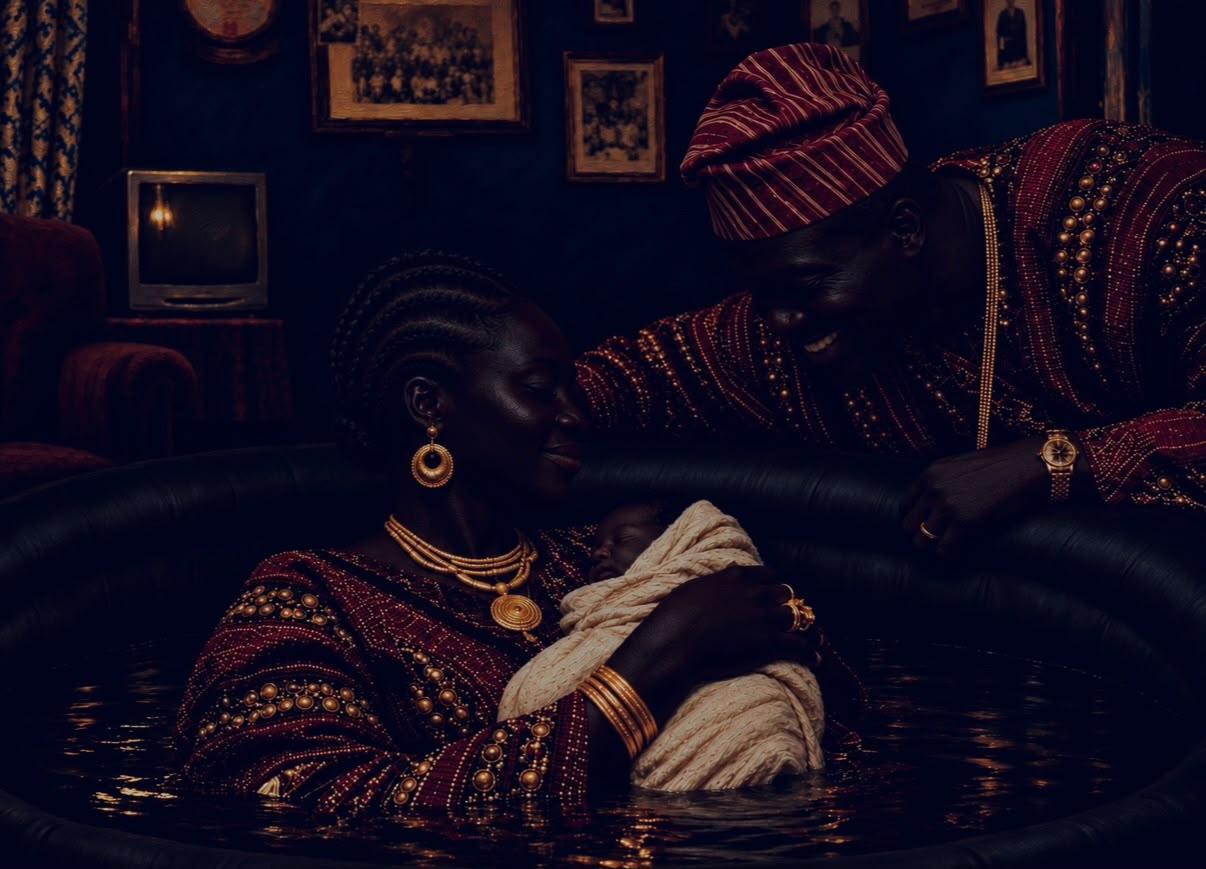
An African family choosing to welcome their child through water, in alignment with the natural rhythms of life and ancestral African wisdom. Rooted in the belief that how we arrive into this world can shape how we move through it.
Her
The modern African woman — powerful, layered, unapologetic.
Door 2040 mm · centre line 1450 mm
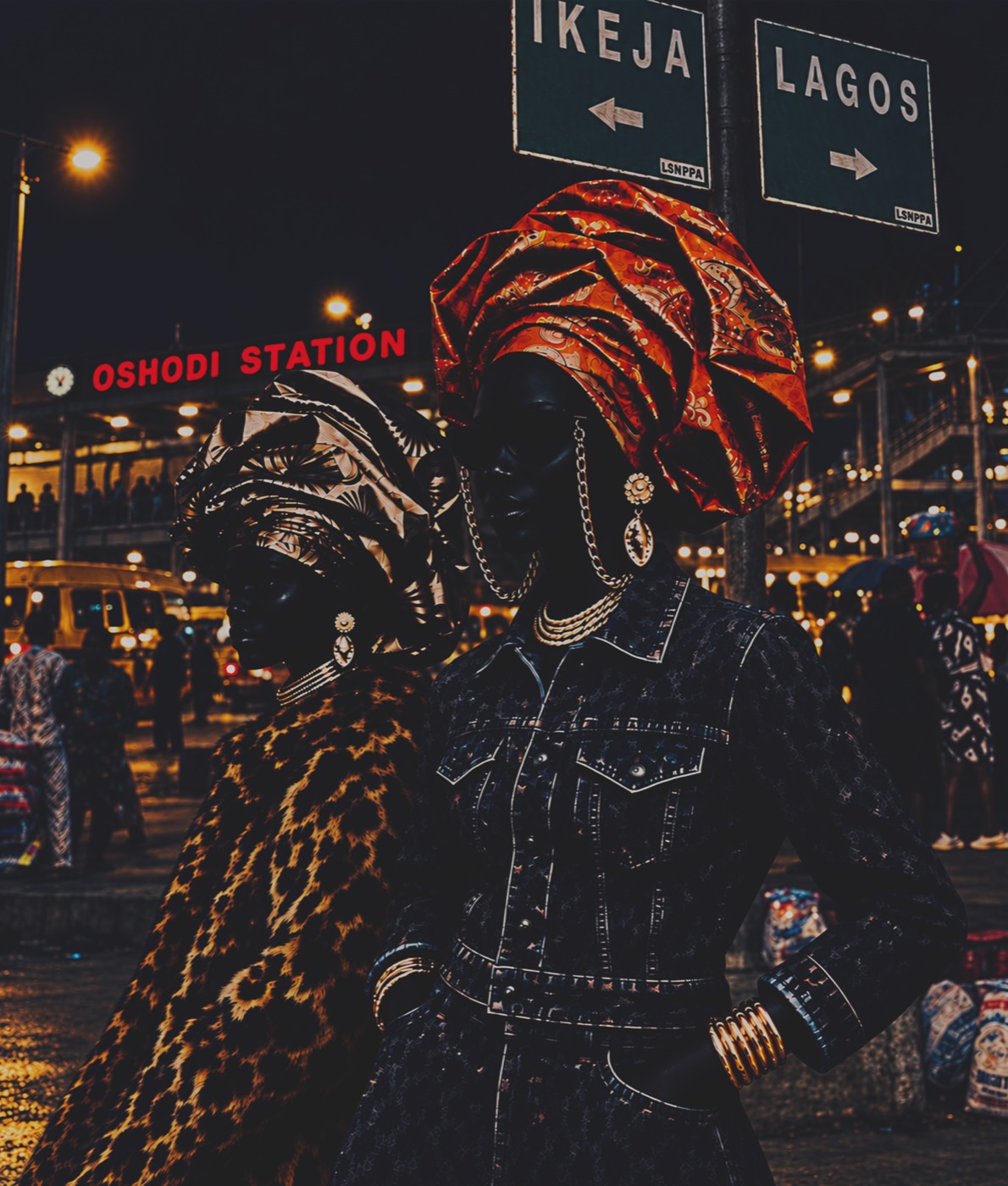
Whether uptown in the city or back home in the village, culture and identity follow her wherever she goes.
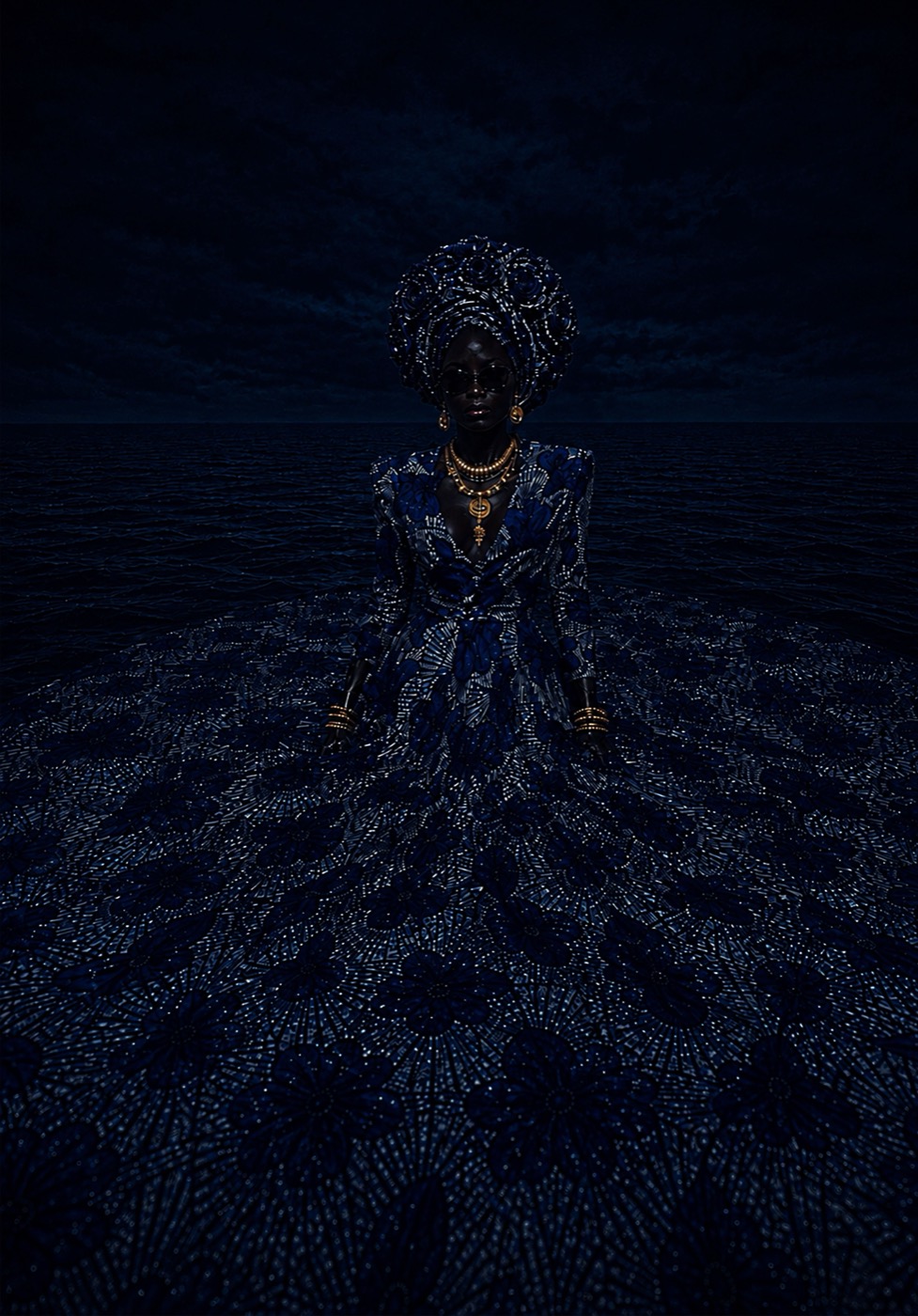
The modern African woman. Powerful, layered and unapologetic. Carries the weight of those before her, but refuses to be bound by their limitations.
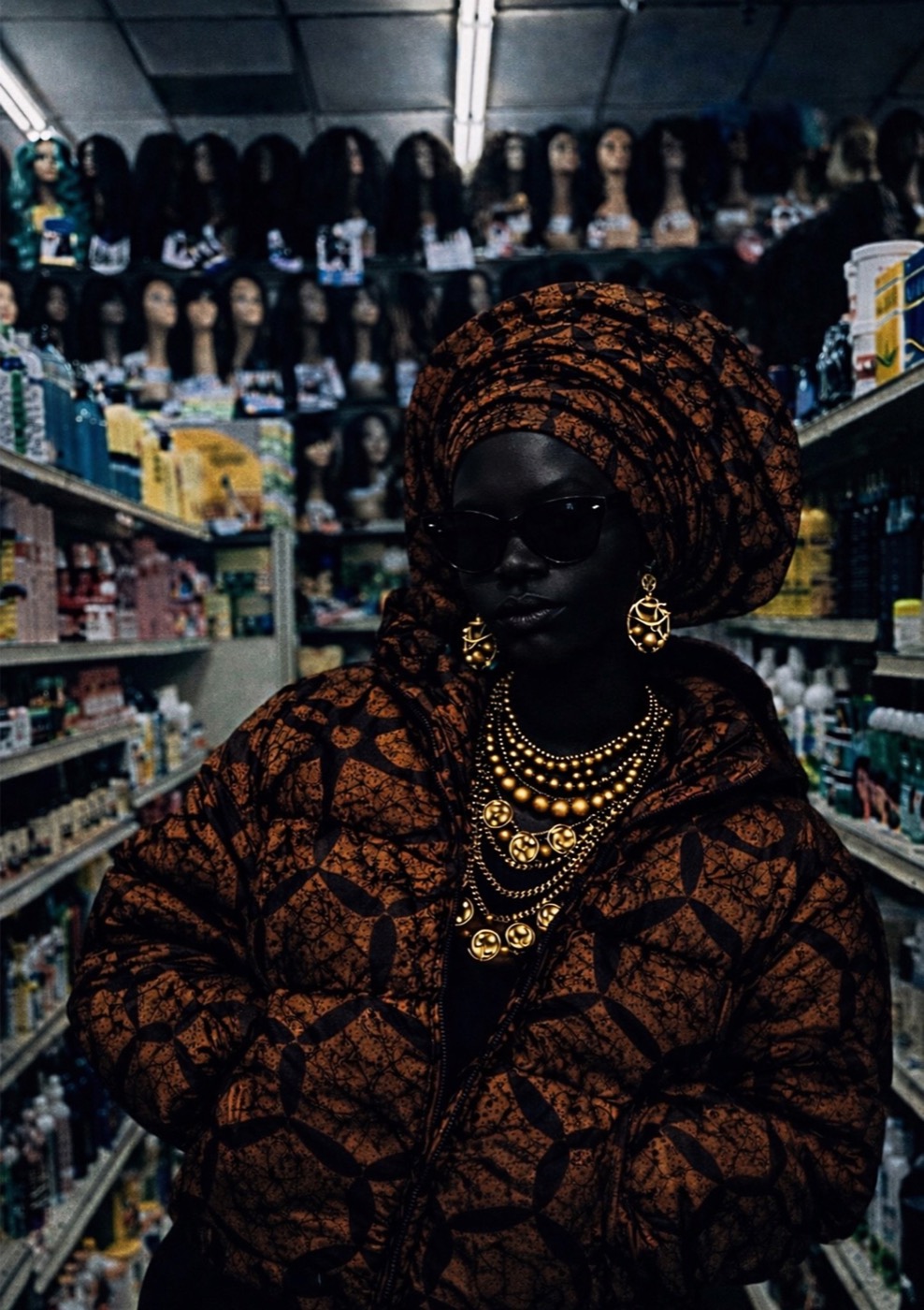
Honouring the African woman as both legacy and future — rooted in tradition yet fully present in the modern world. Owning every layer of who we are.
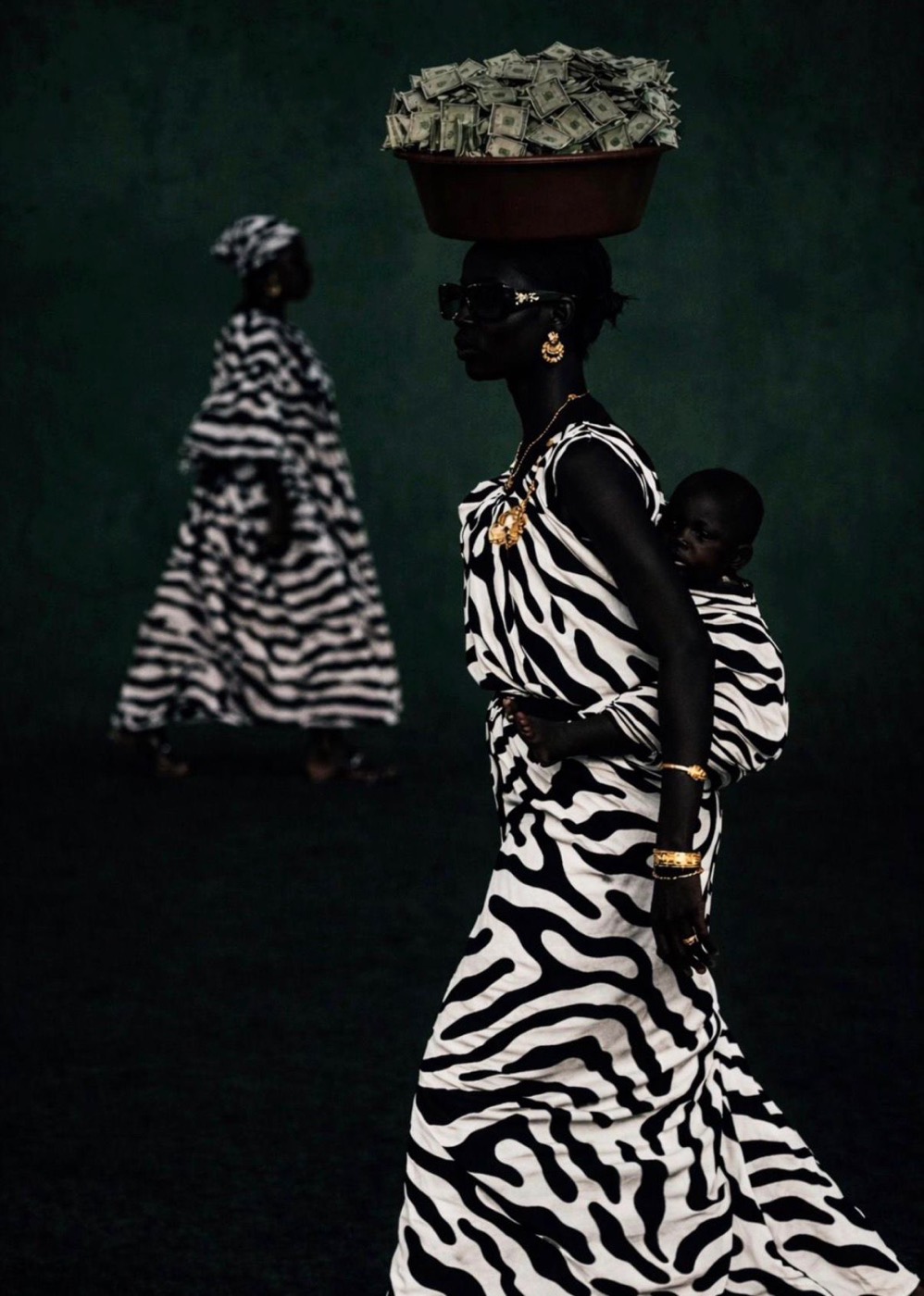
Celebrating the endurance of Black women founders — who press on regardless, building livelihoods for their families with no days off and no days out.
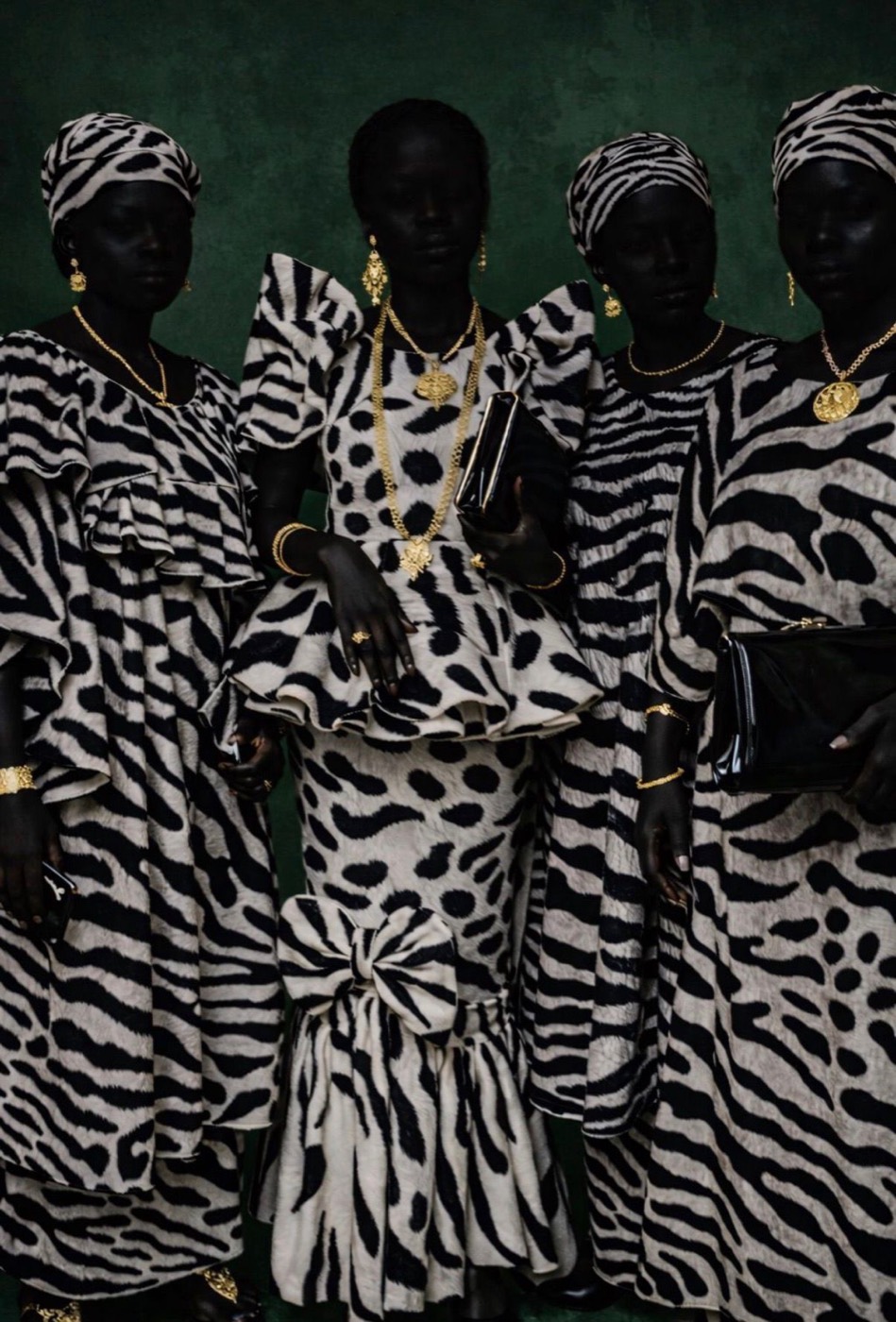
Honouring African sisterhood as a quiet force of endurance — rooted in care, survival, and shared strength across generations.
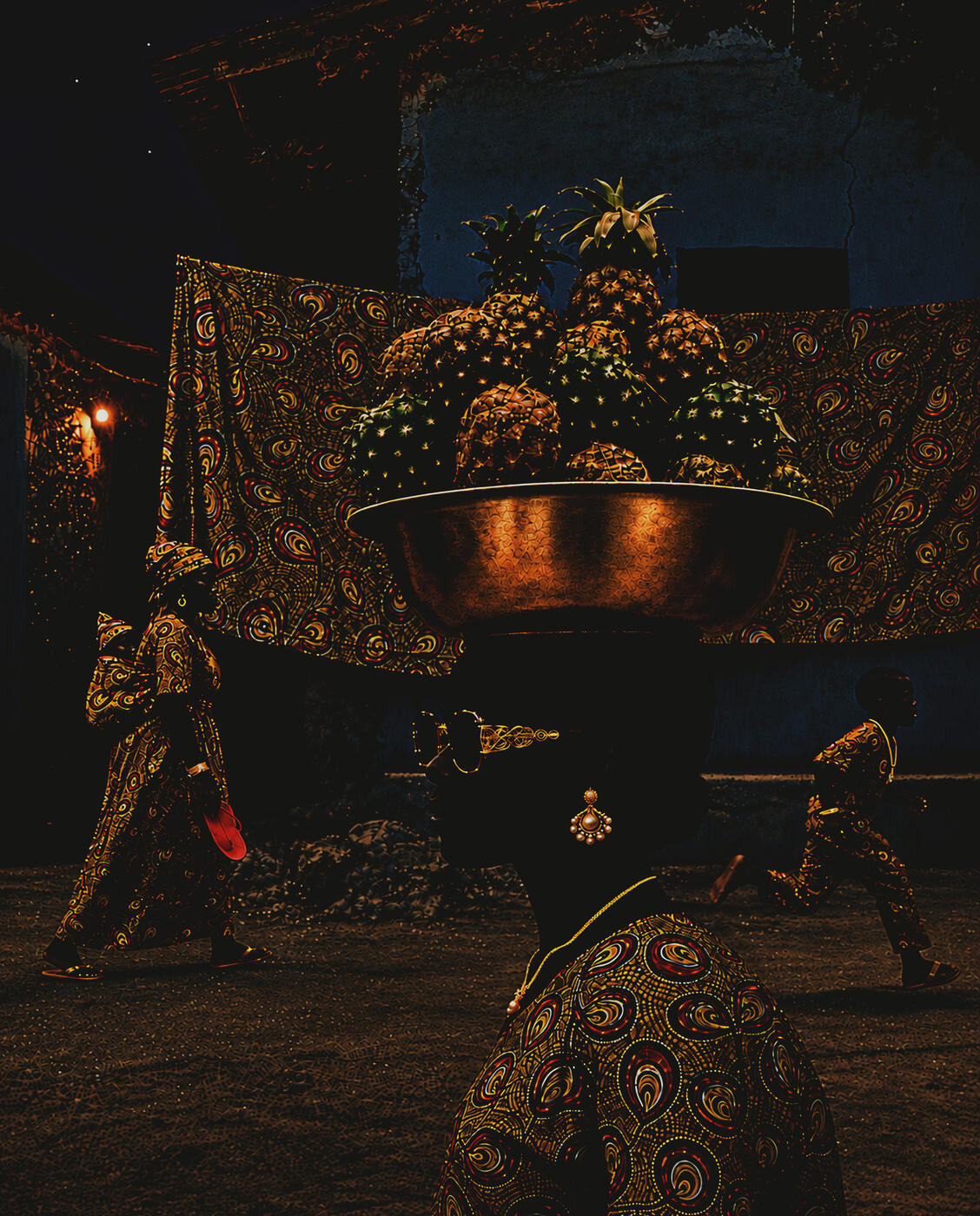
This piece is about the beauty that exists within the chaos of African life — the strength, softness, responsibility and resilience that can all exist at once. It speaks to carrying more than what is visible, and still finding a way to move through it with grace.
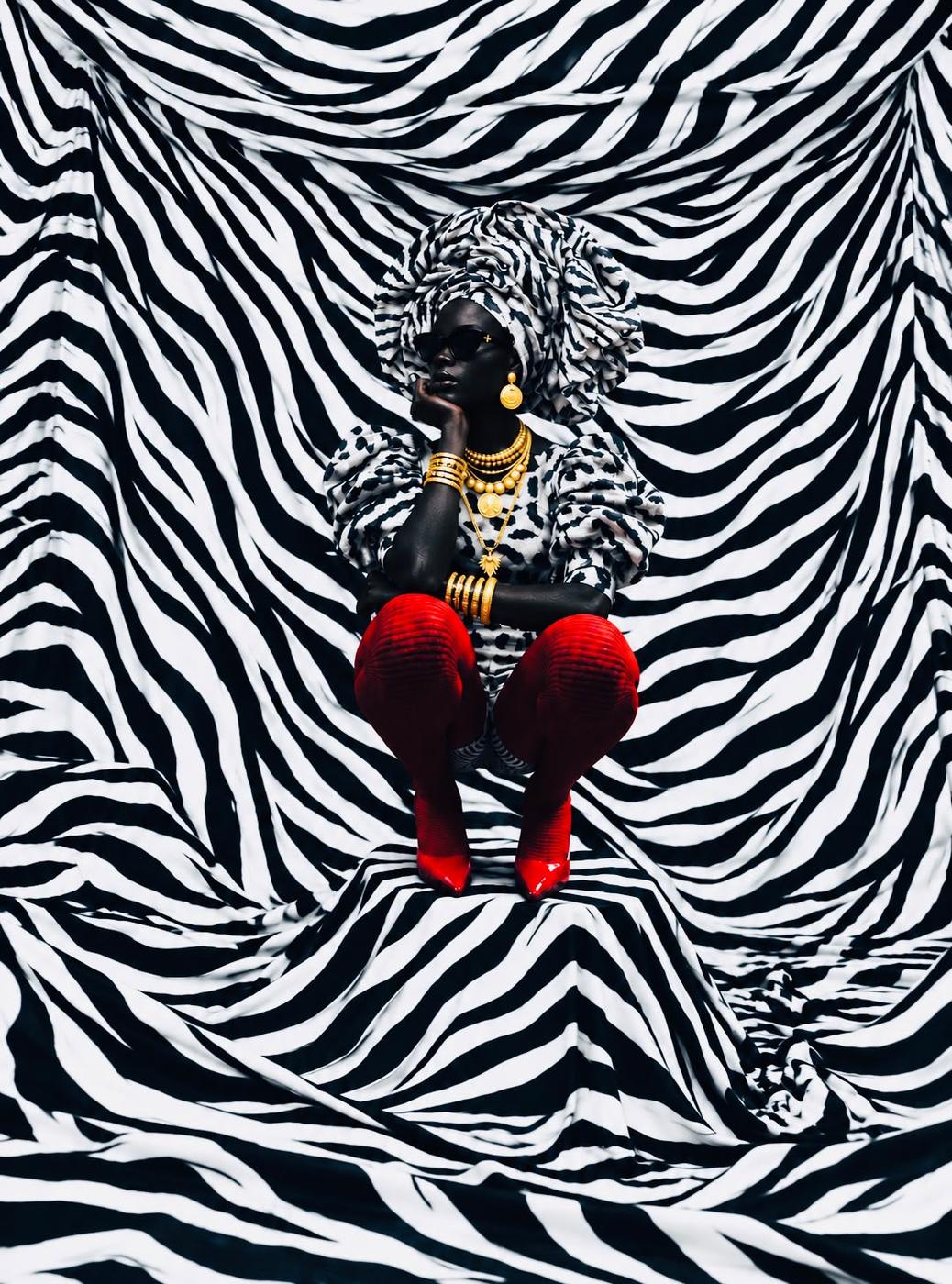
This piece is called Centre of the Stage. Because whenever she is dressed in her African attire, wrapped in her African fabrics, adorned in her pieces, she feels like she is the centre of the stage. Not because she needs the attention, but because that is how proud she feels wearing her heritage.
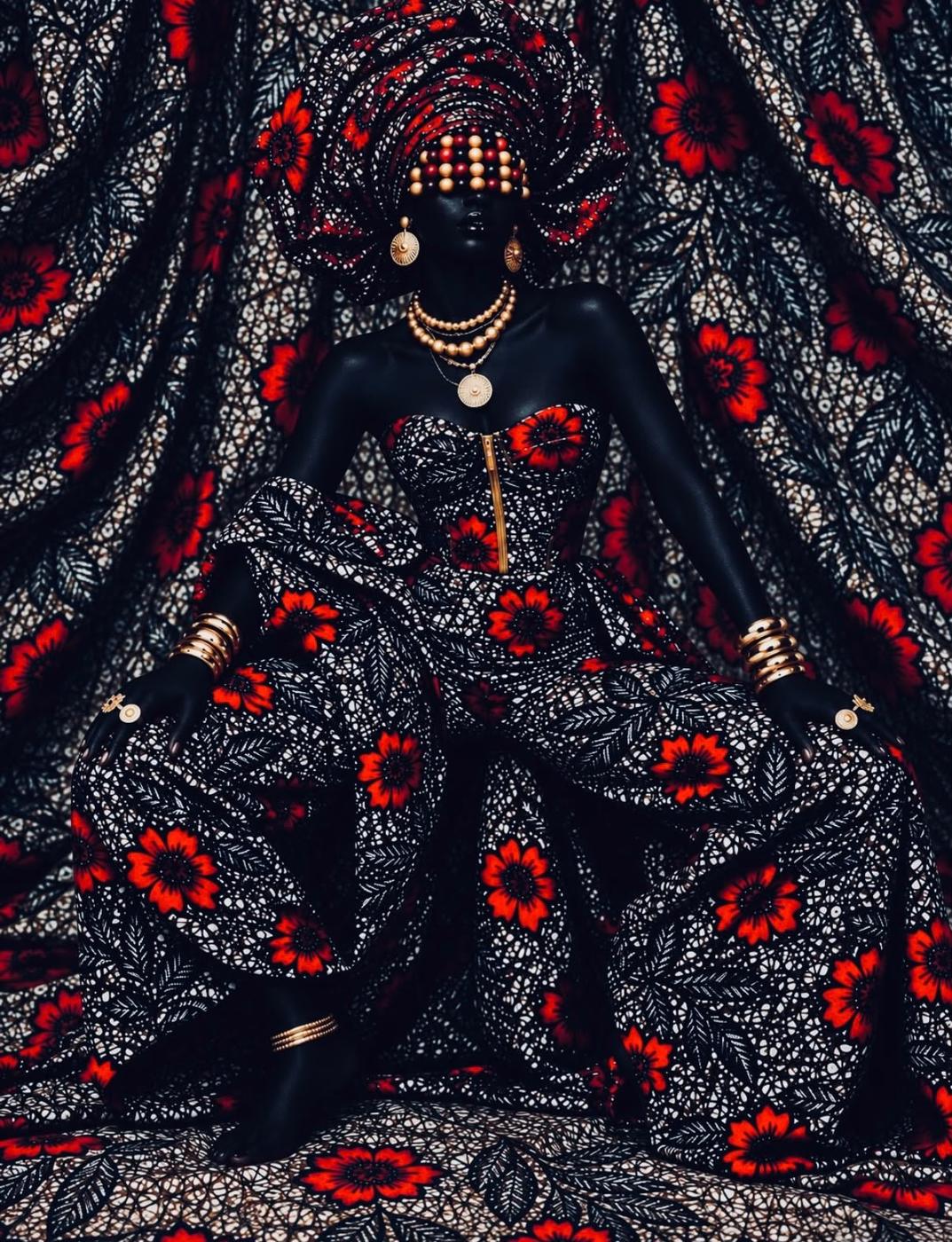
She is loud in her celebration. Loud in her uniqueness. Loud in her African ability of simply looking good. But she is not seeking attention. Attention finds her. There is something about a woman who knows exactly who she is, who carries her culture without apology, who wears her beauty like it belongs to her — because it does. She does not shrink herself to make anybody comfortable. She does not dim what is naturally bright.
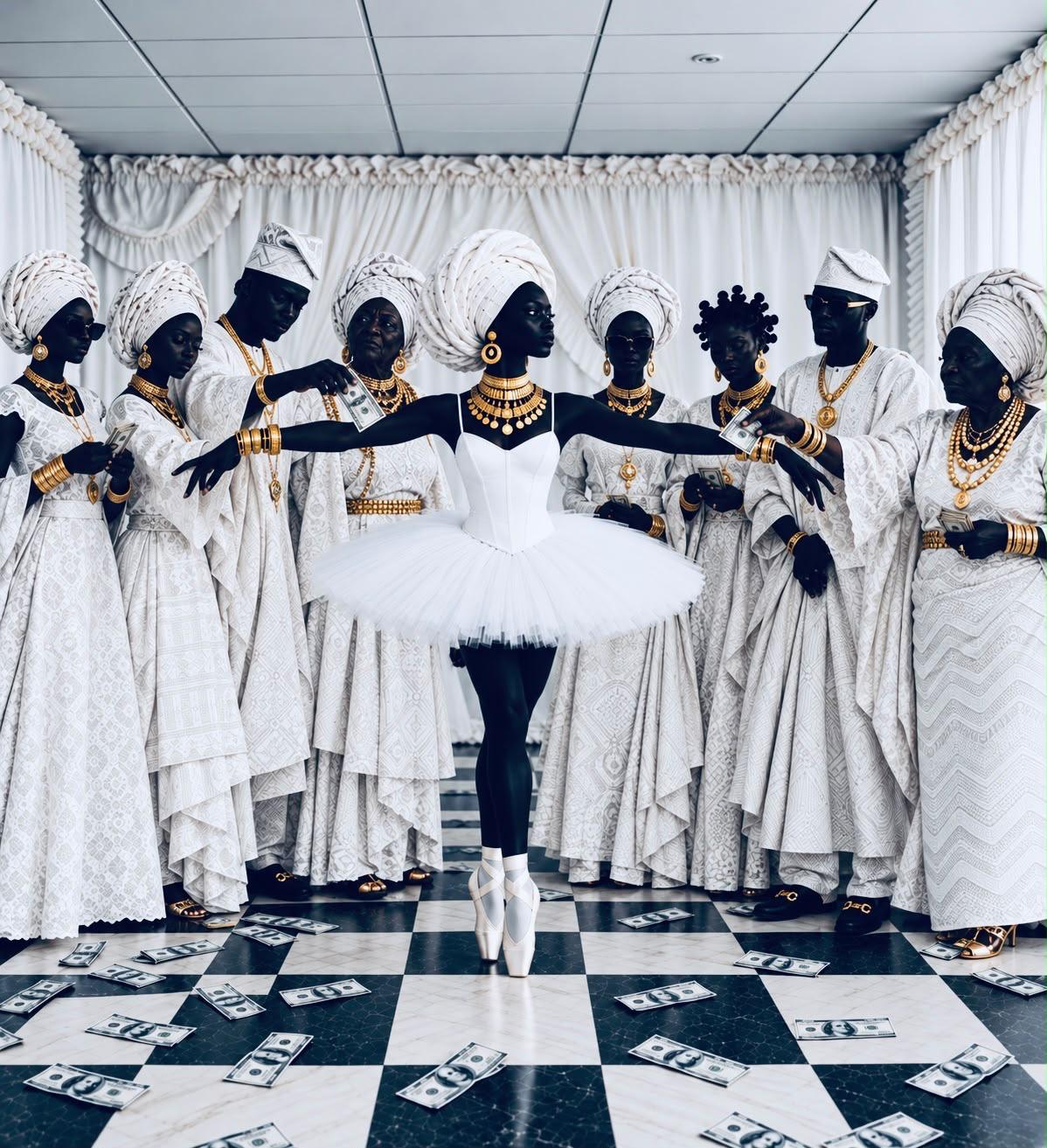
The African woman is always on point. In motherhood, in womanhood, in her strength. In the way she holds the home together and builds the foundations for the next generation to stand on.
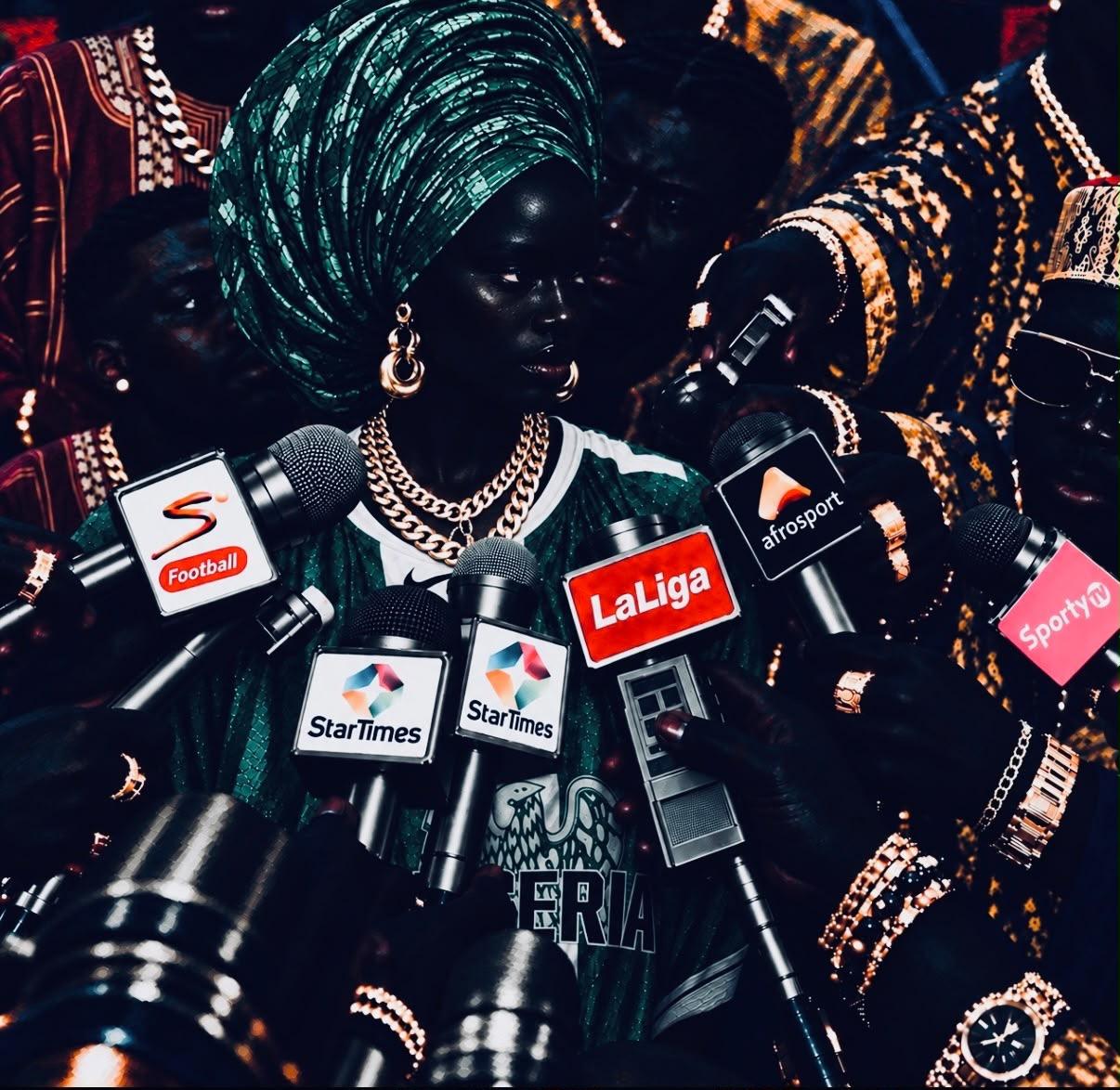
Spotlighting the sportswoman’s resilience, and the fact that she continues to fight in an industry where women are too often overlooked. She represents generations of African women who have had to work twice as hard to be recognised for their excellence.
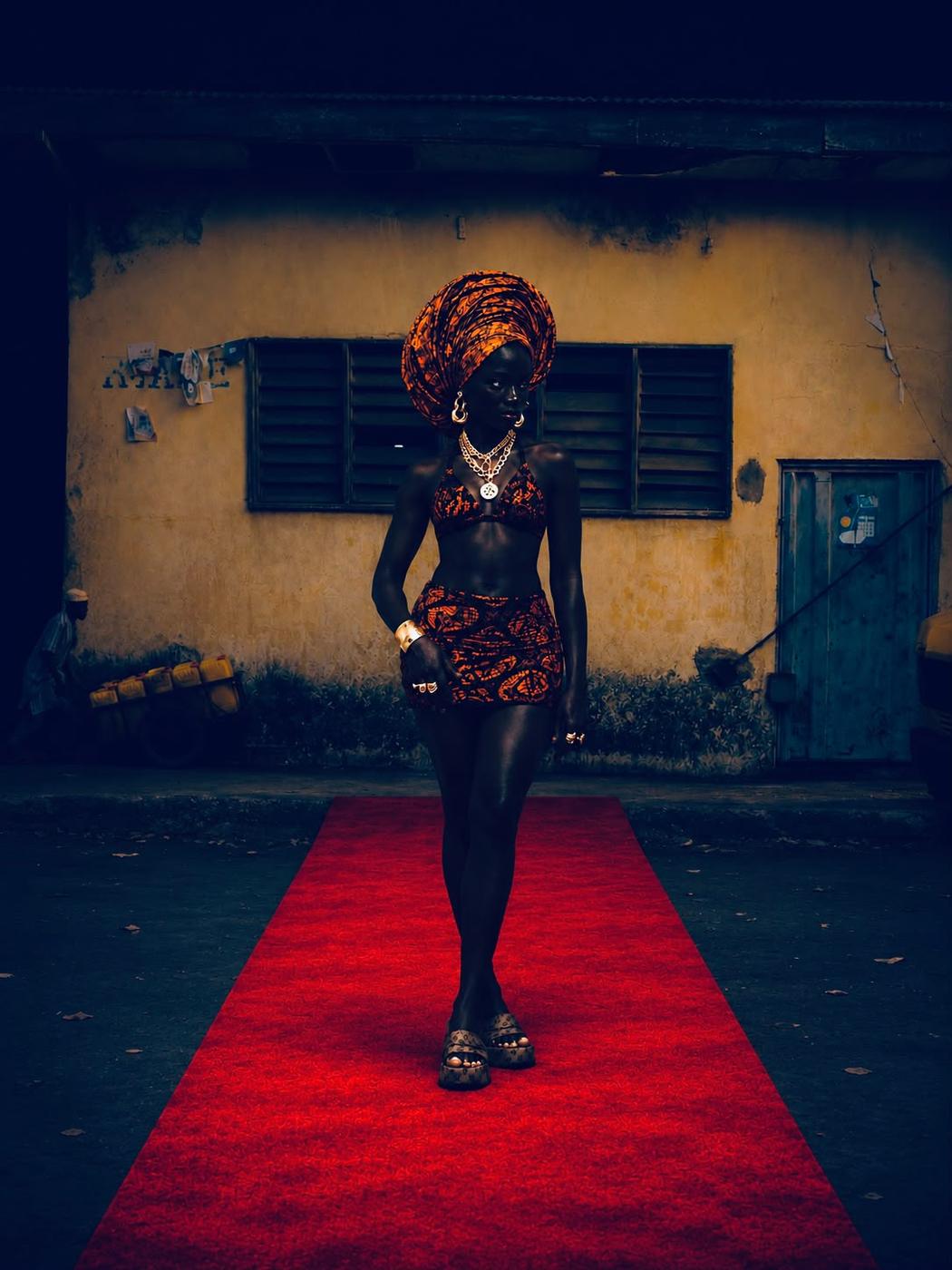
Even on an ordinary street, dressed casual and minding her business, she’s still the centre of attention. The red carpet follows her wherever she goes because she doesn’t need an invitation to be the main event. She IS the occasion!
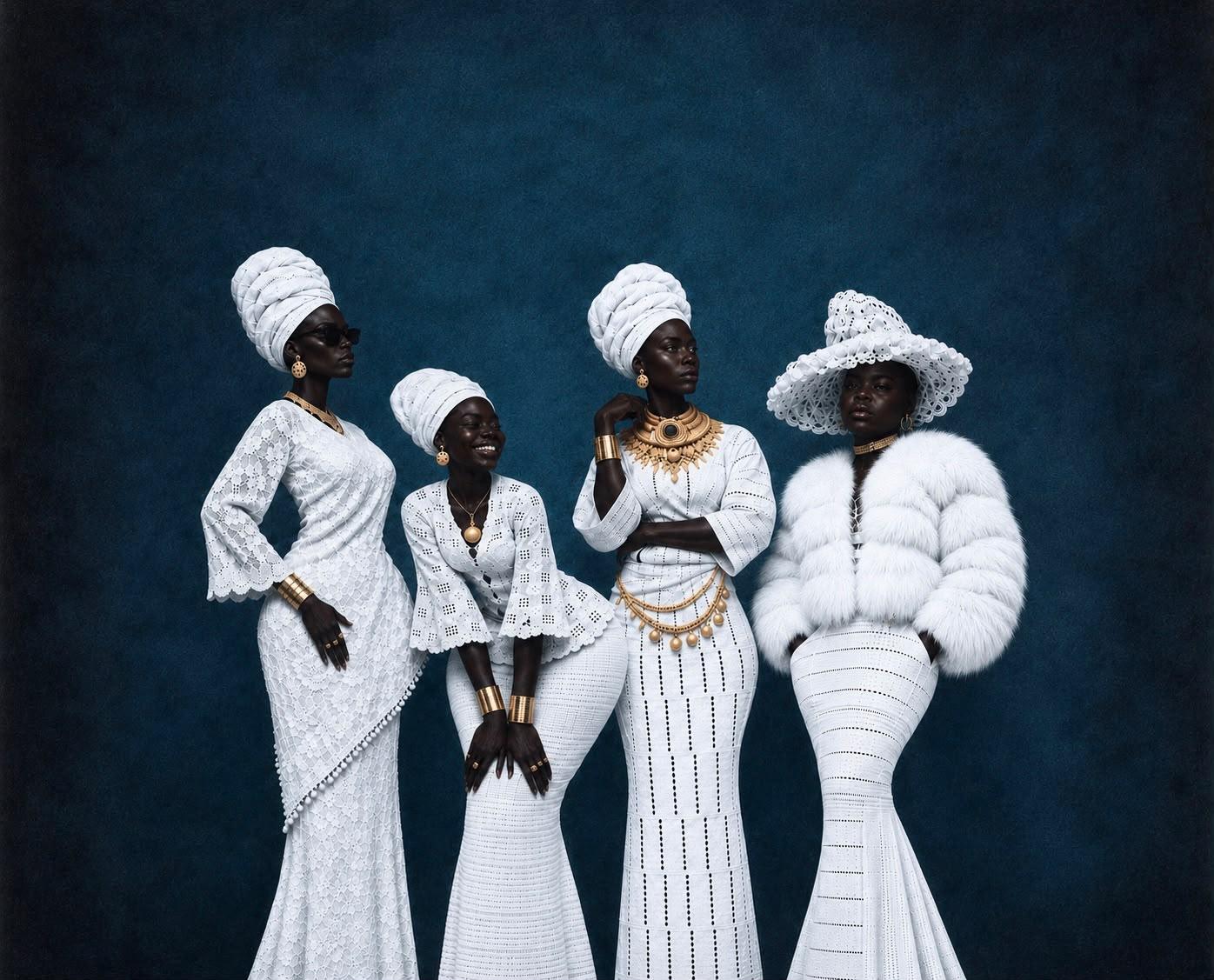
There’s a certain kind of elegance that doesn’t need to try. It just exists. At Ease is African sisterhood, a tribe of women who carry their culture with pride, beauty, confidence, and elegance so effortlessly. This piece is about taking the richness of African heritage and giving it a fresh, modern expression.
Love
Lovers who are best friends before anything else.
Door 2040 mm · centre line 1450 mm
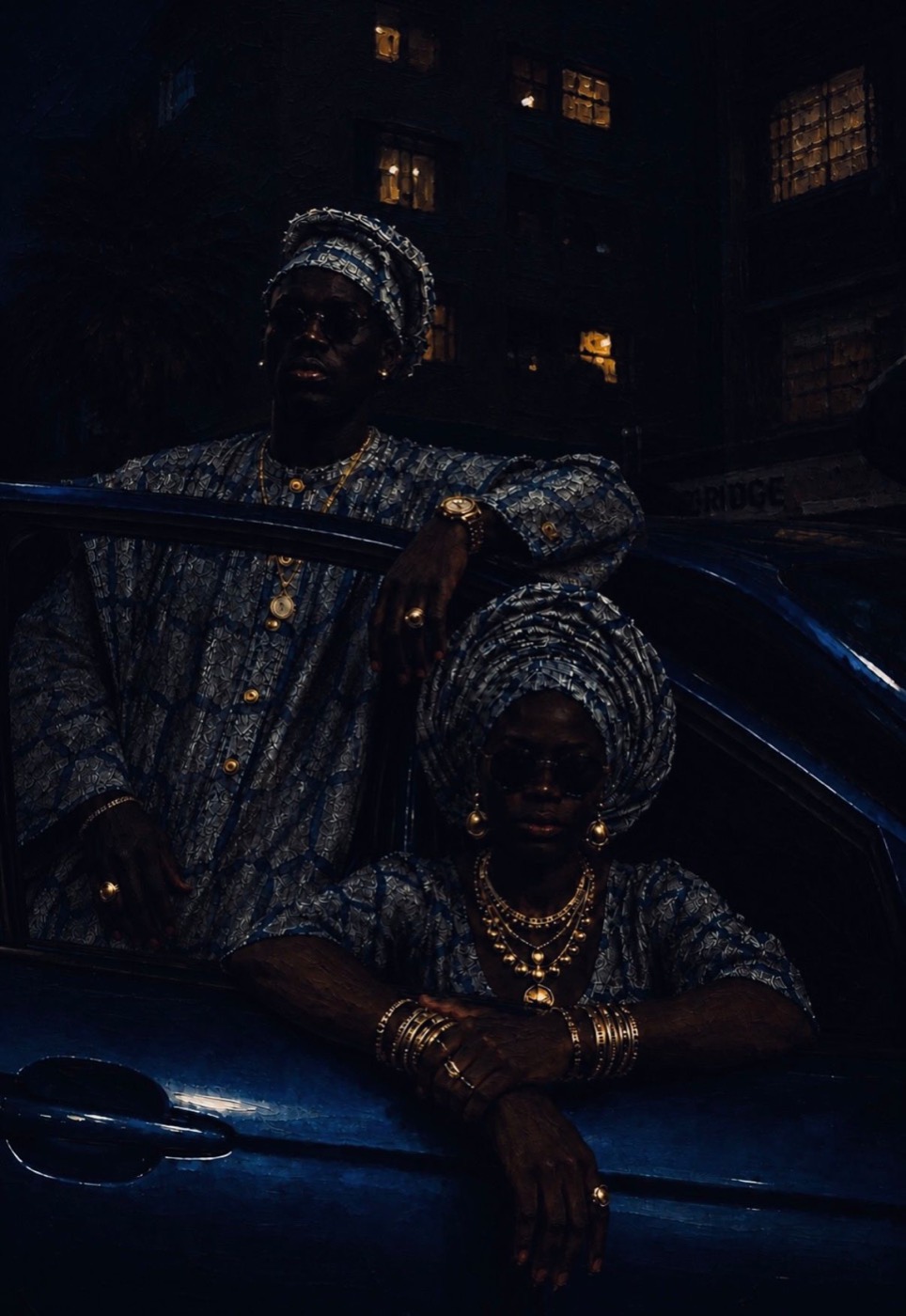
Two people who are lovers, but best friends before anything else. Inseparable not because they cannot stand alone, but because life simply feels more complete when they stand together.
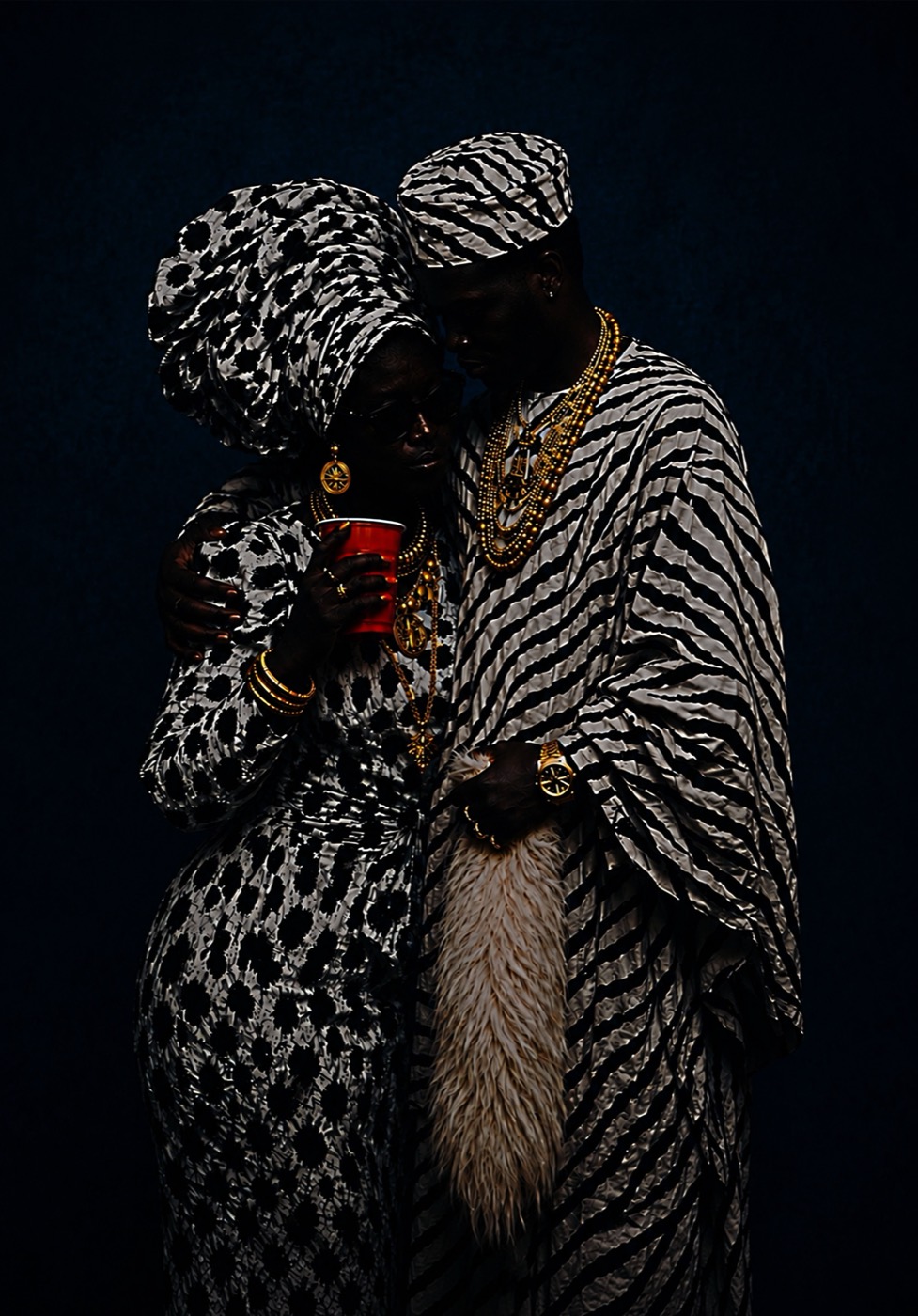
Anniversary is a celebration of enduring African love — a love that is rooted in resilience, commitment, heritage, and the unwavering strength to persevere through life’s greatest challenges. This piece symbolizes the profound bond between two people who have chosen each other every day, despite the trials, sacrifices, and external forces that have sought to divide them.
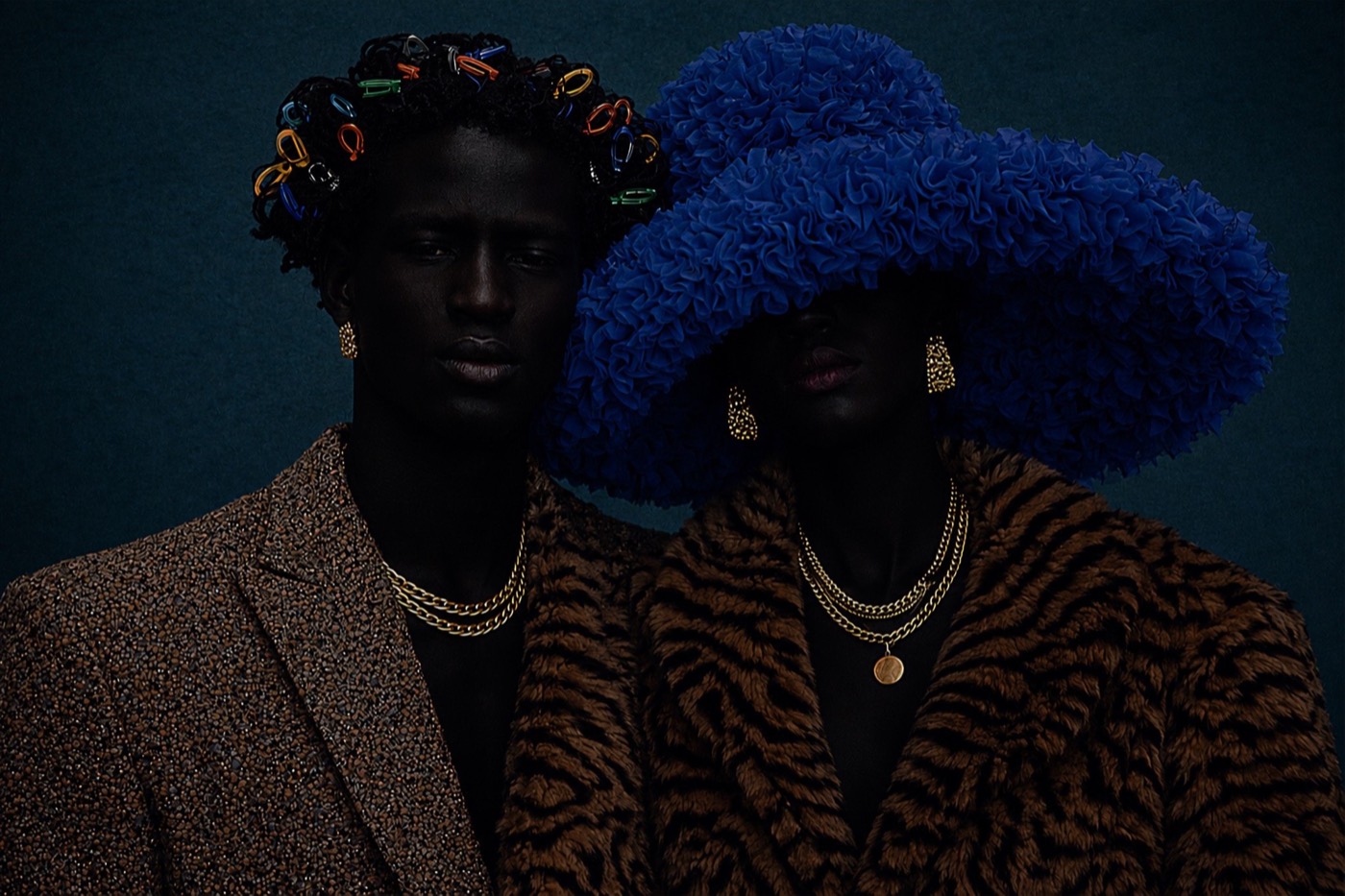
Black Excellence celebrates the strength, unity, and beauty of the Black couple — a powerful partnership embodying love, resilience, achievement, and cultural pride.
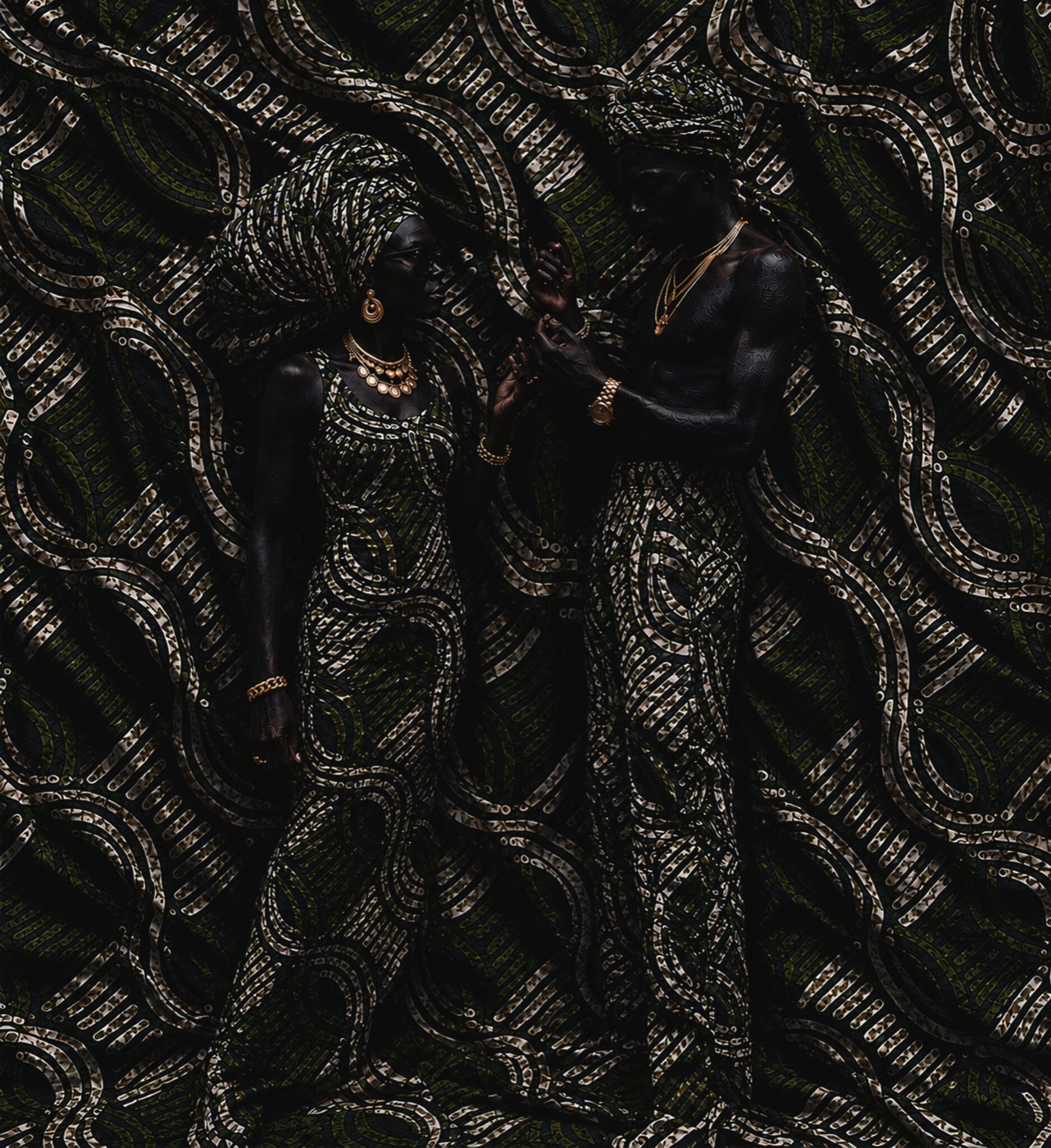
The couple is enveloped in a family fabric that represents heritage, identity, and belonging — rooted in a wider family structure that both shapes and sustains them.
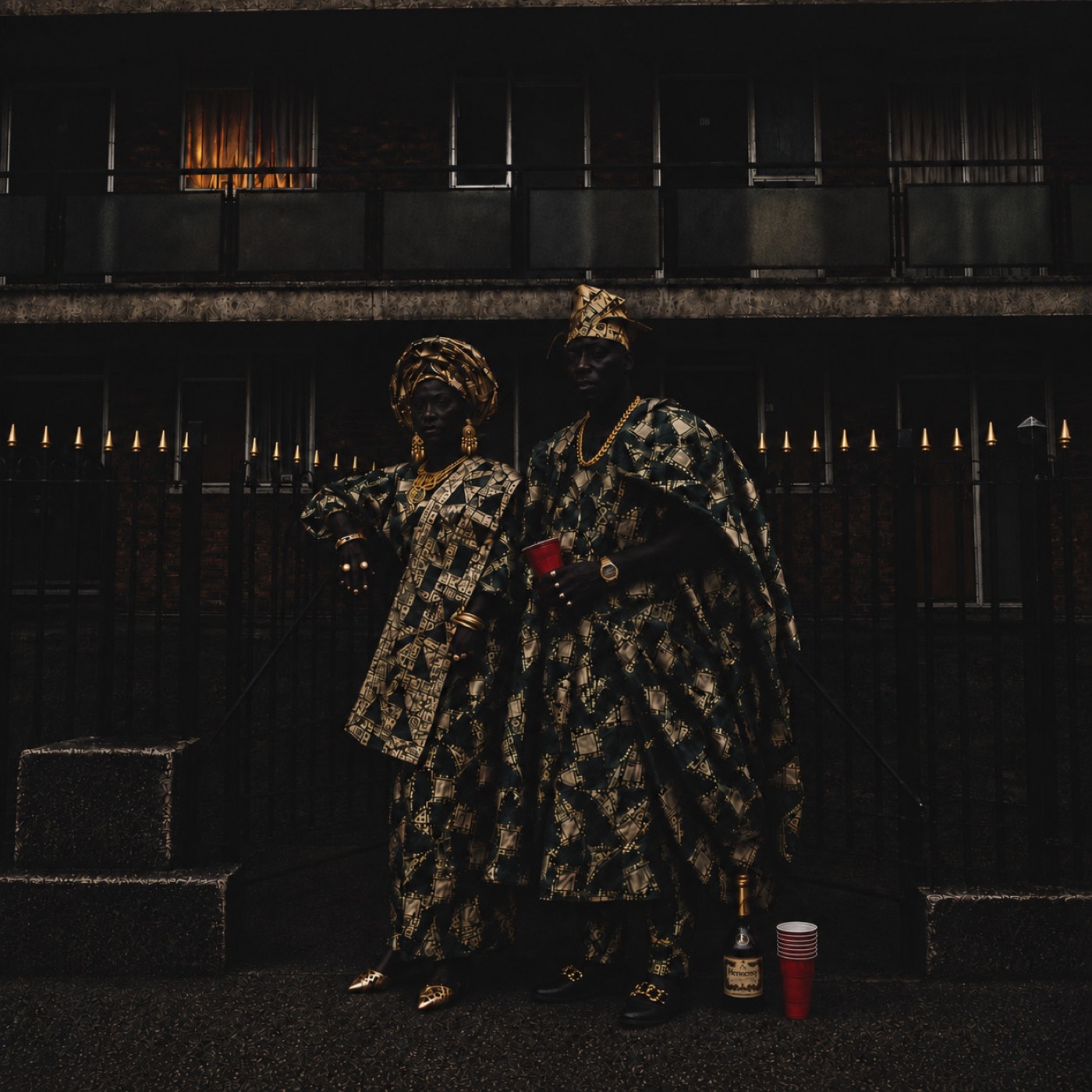
This piece is about the way Africans build wherever we go. We do not only arrive with belongings — we arrive with memory, culture, pride, rhythm, tradition, and the instinct to create community around us. Give us unfamiliar ground and, with time, we make it feel like home. Give us home and we begin building something bigger.
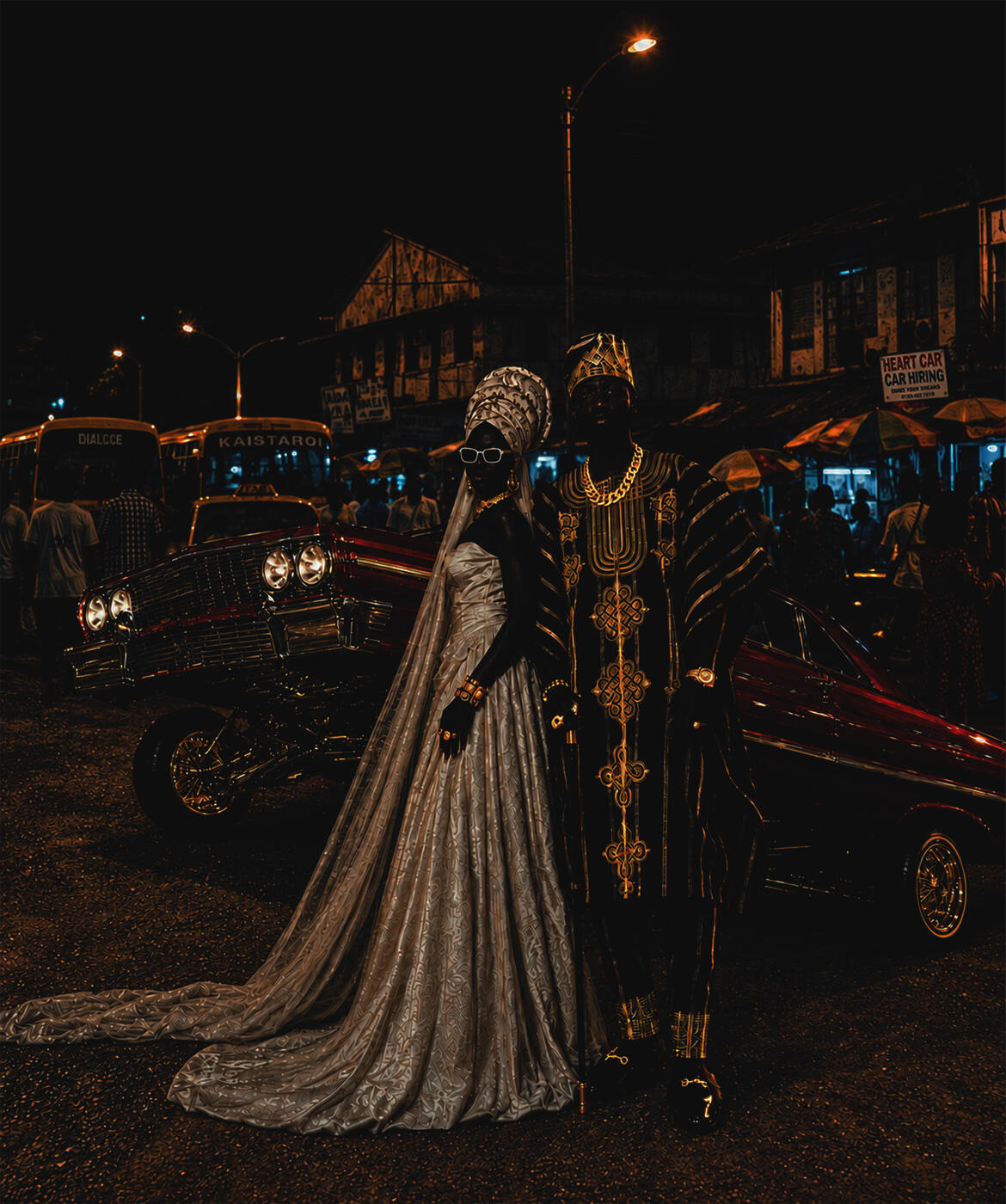
What happens when two different cultural ideas of tradition and union exist in the same space. Instead of choosing one over the other, I wanted to bring both together and let them create something new. It’s about identity, influence and how culture can shift without losing where it comes from.
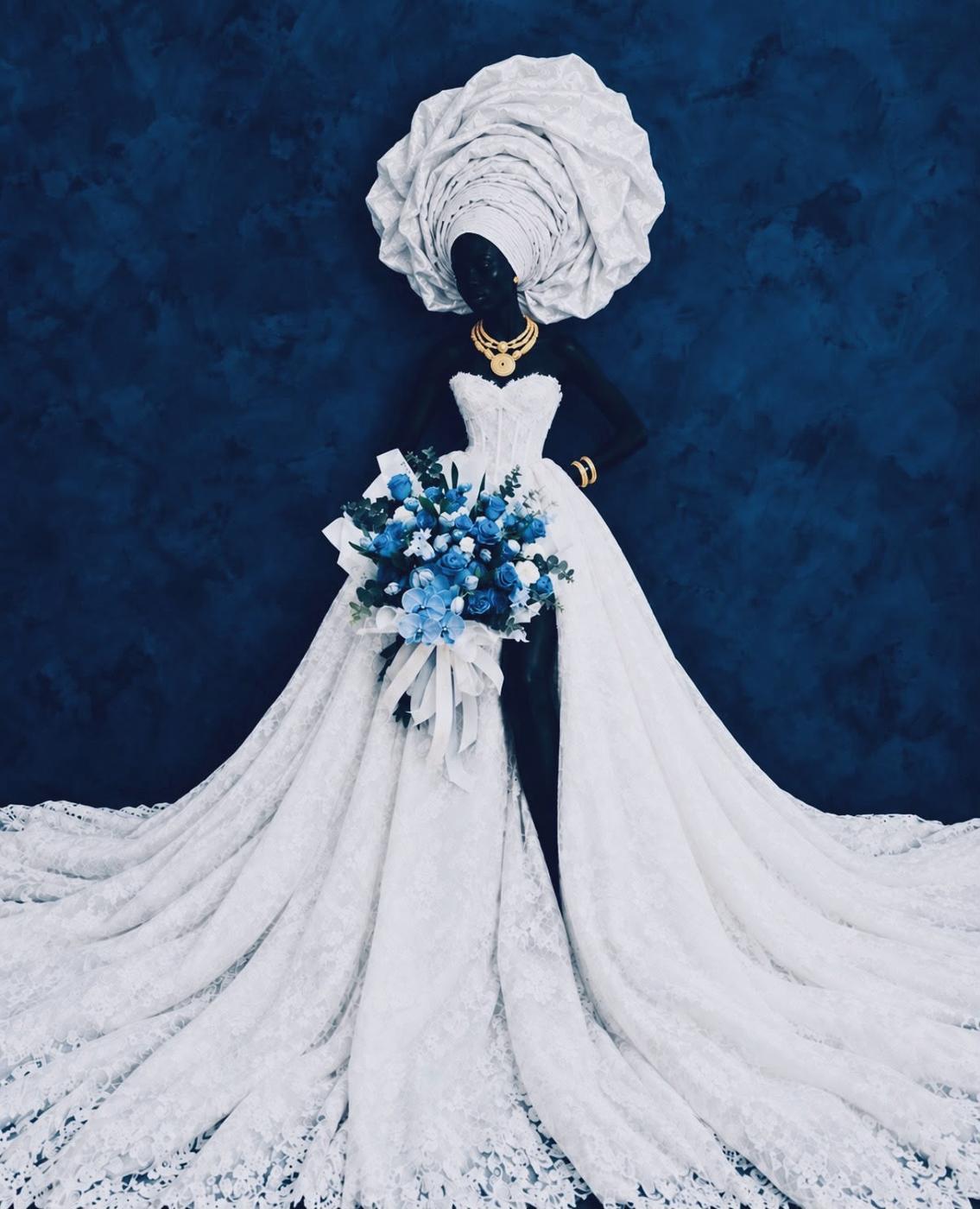
“I Do” is not simply a bride. It is a declaration. She stands at the meeting point of two traditions without surrendering either one. The white Western wedding gown speaks to the country in which she now stands; the sculptural African gele speaks to the blood, memory and women who came before her. One does not cancel out the other. She wears both because she belongs to both.
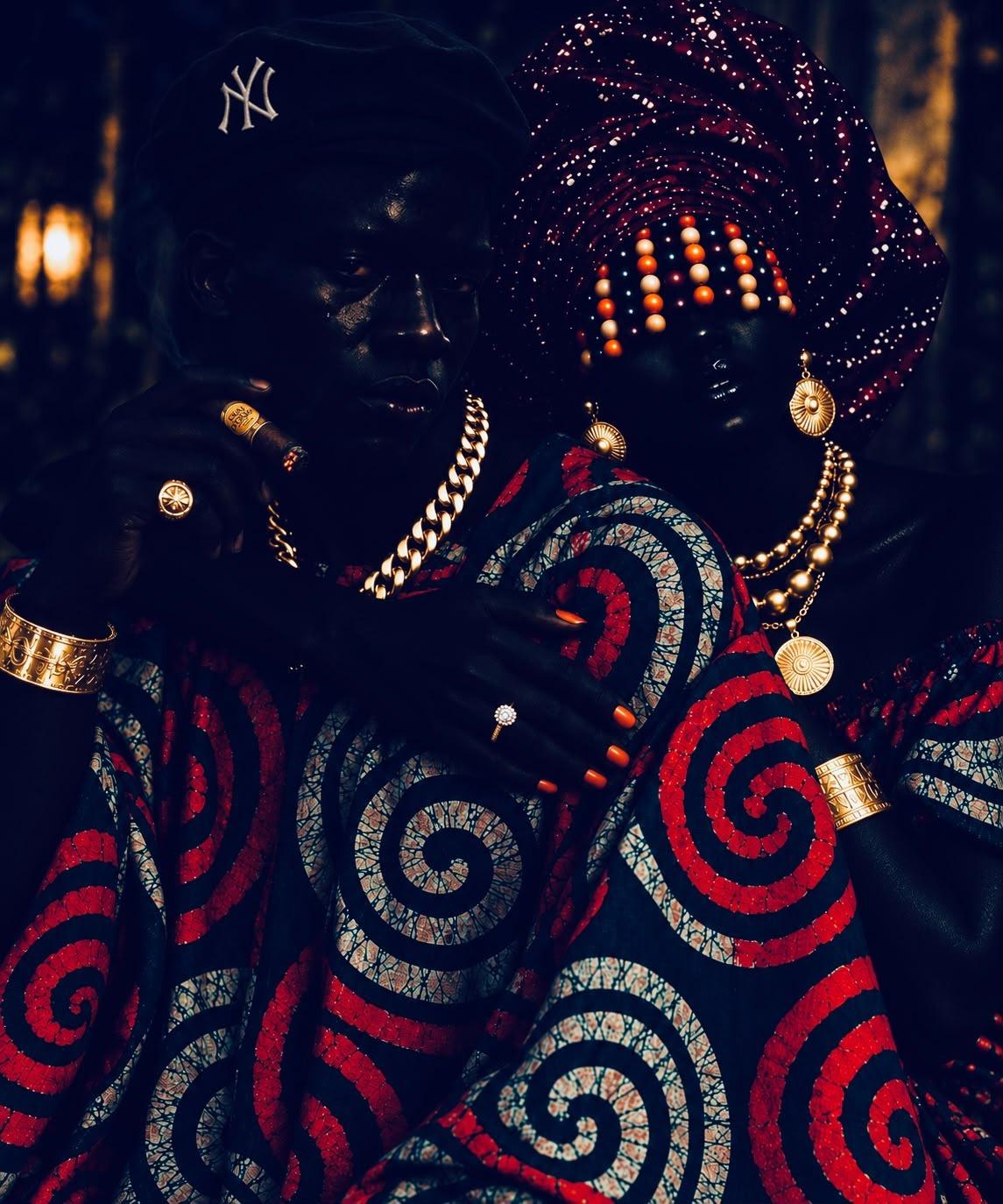
An unapologetic celebration of African love, unity, culture and identity. This is not just cloth. This is culture speaking at full volume. Loud Cloth is about African love in its boldest form. Two souls standing proudly in their union, wrapped in the richness of where they come from, wearing their heritage like royalty and making absolutely no apologies for it.
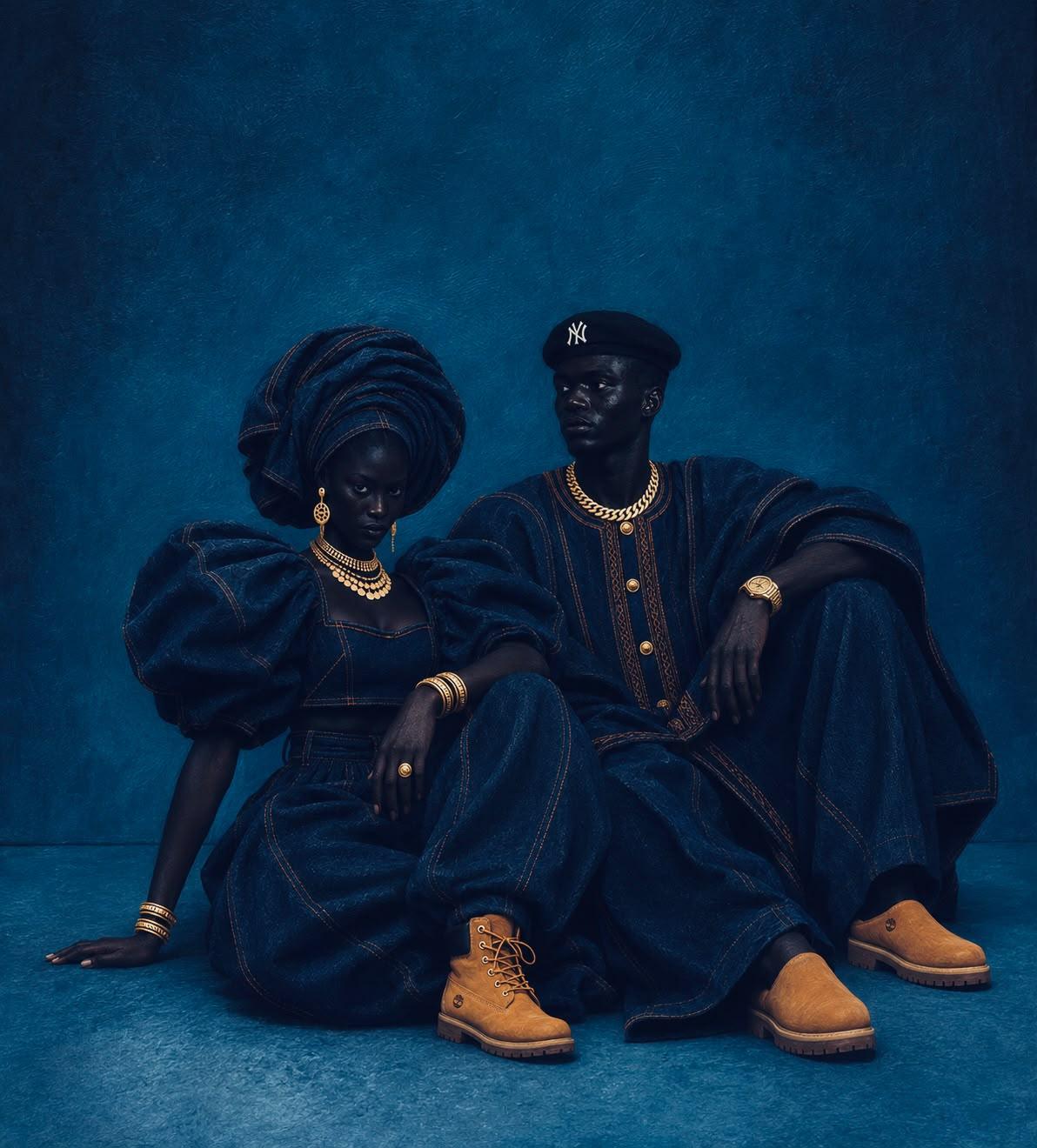
Rooted in African heritage, united by love, and held together by a friendship that stands the test of time. More than a union, a lifelong promise to stand together, grow together, and remain each other’s home through every season of life.
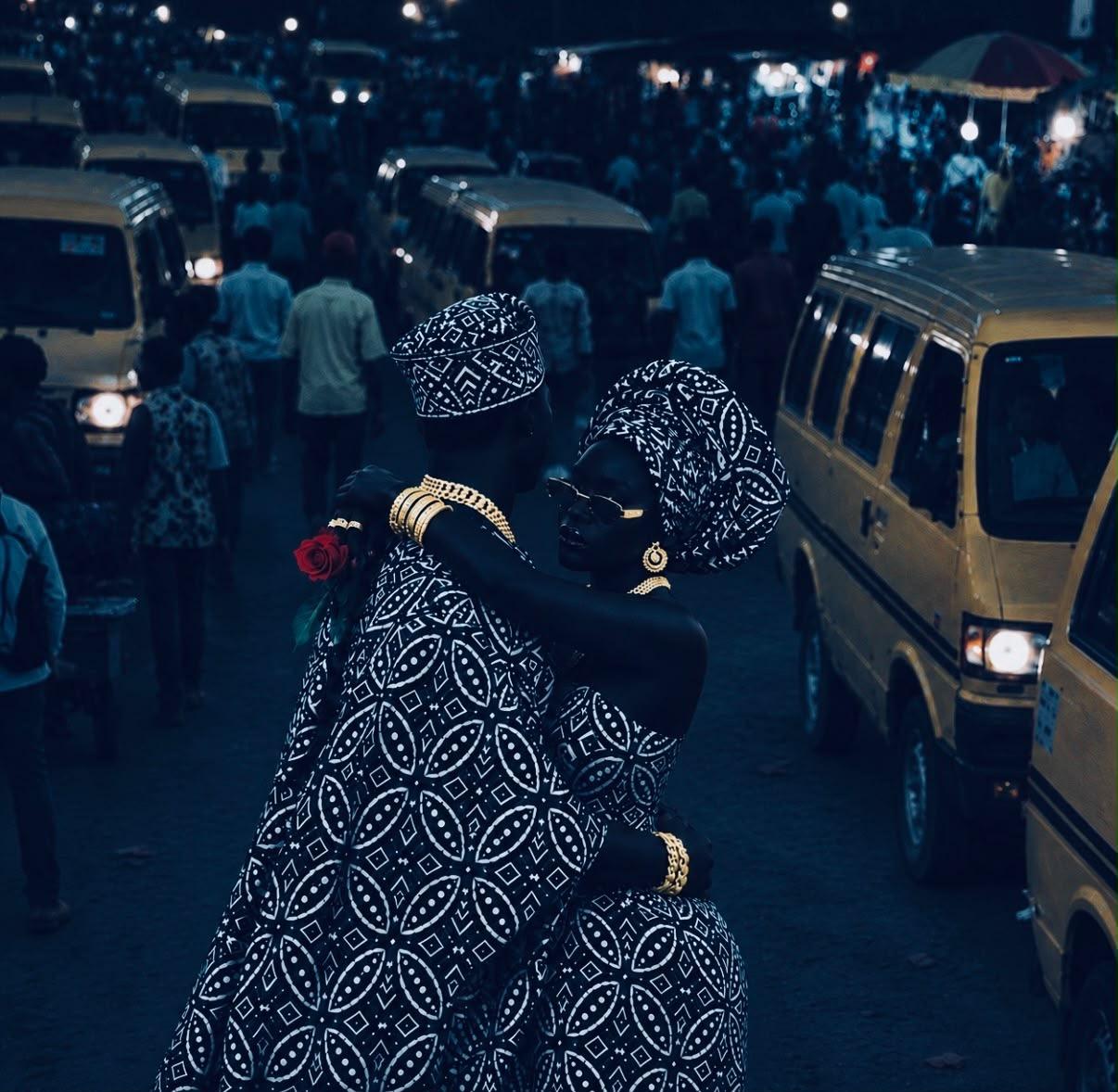
African love has always existed, but it wasn’t always openly expressed. For generations, affection was mistaken for weakness. Now, a new generation is changing that narrative. Loving out loud, holding each other openly, and understanding that tenderness has never been weakness.
New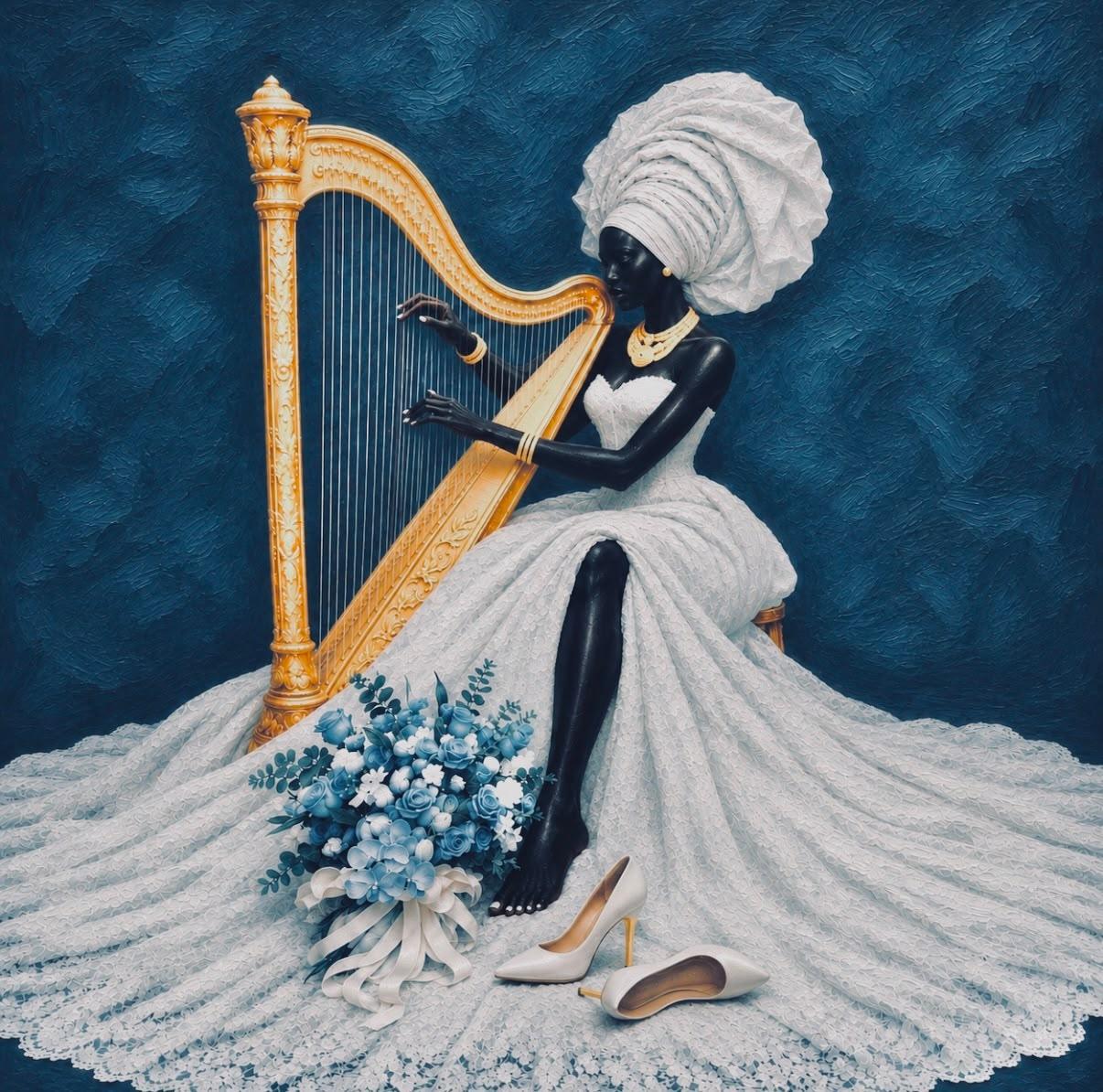
A Nigerian bride who is unapologetically in love with her culture, her roots and her music. Even on her wedding day, she chooses to express that love in the most unexpected way — through the beautiful strings of a harp. Because for FÚNKẸ́, culture is not about following rules. It’s about honouring where you come from while having the freedom to express it your own way.
Family
The foundation. Who carries whom, and what is passed on.
Door 2040 mm · centre line 1450 mm
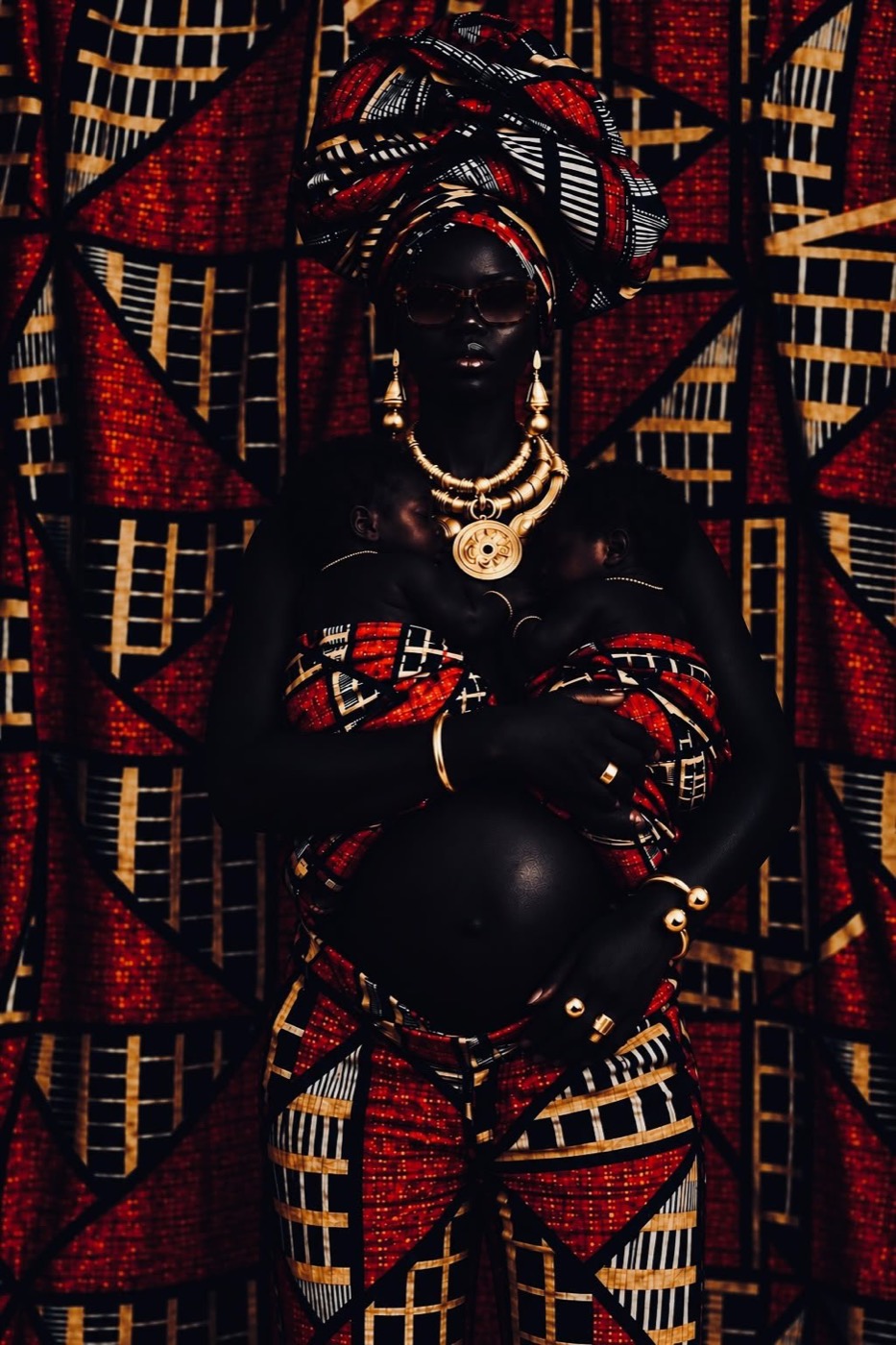
The foundation. She carries her children on her body, but she also carries memory, culture, protection, identity and everything that will come after her. A nation does not begin with borders. It begins here — in the arms of a mother.
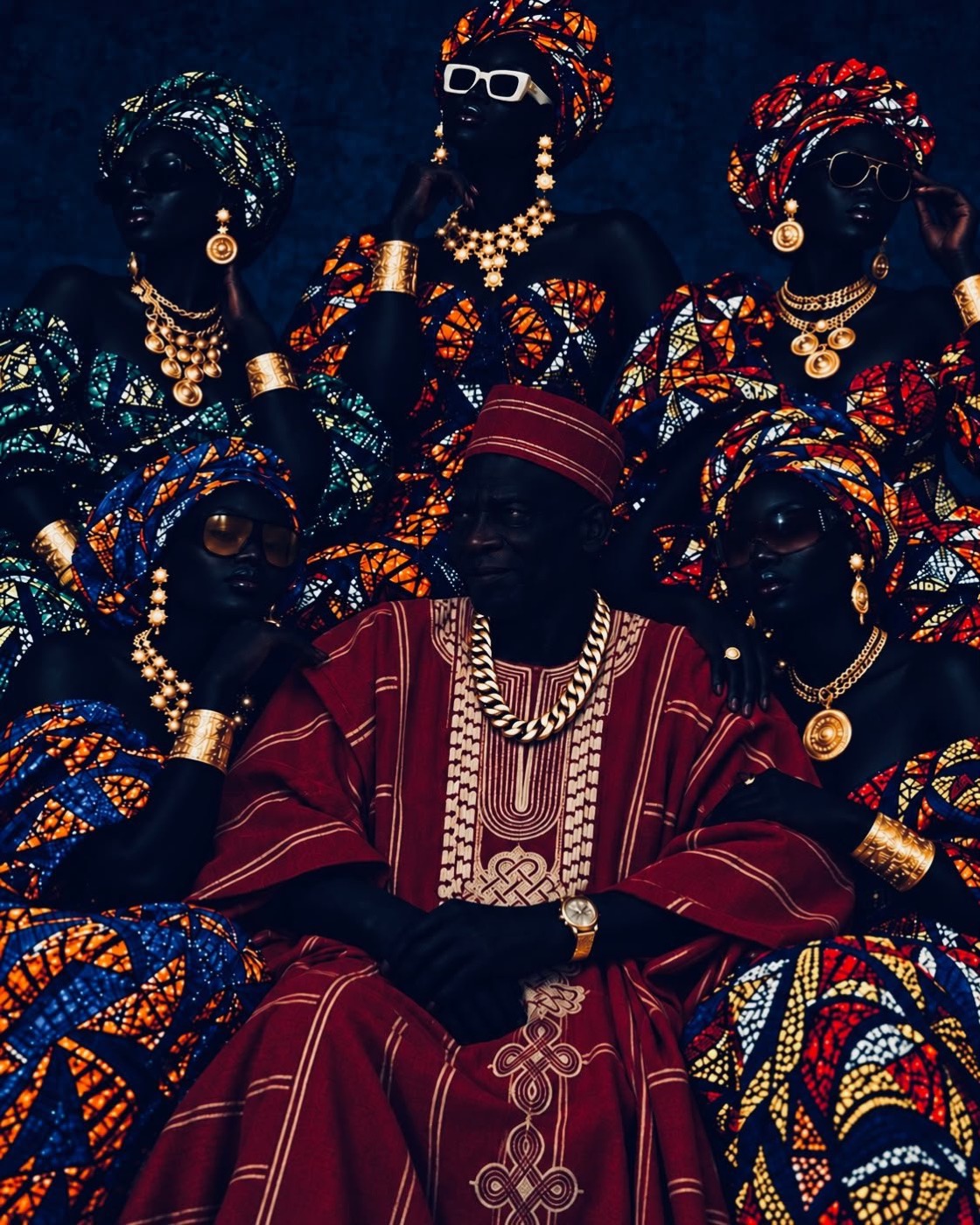
He understands that his responsibility is bigger than simply providing, protecting, and bringing masculine discipline into the home. His job is also to protect the softness. To nurture the confidence. He is the first man his daughters study. The first example of what a man should be.
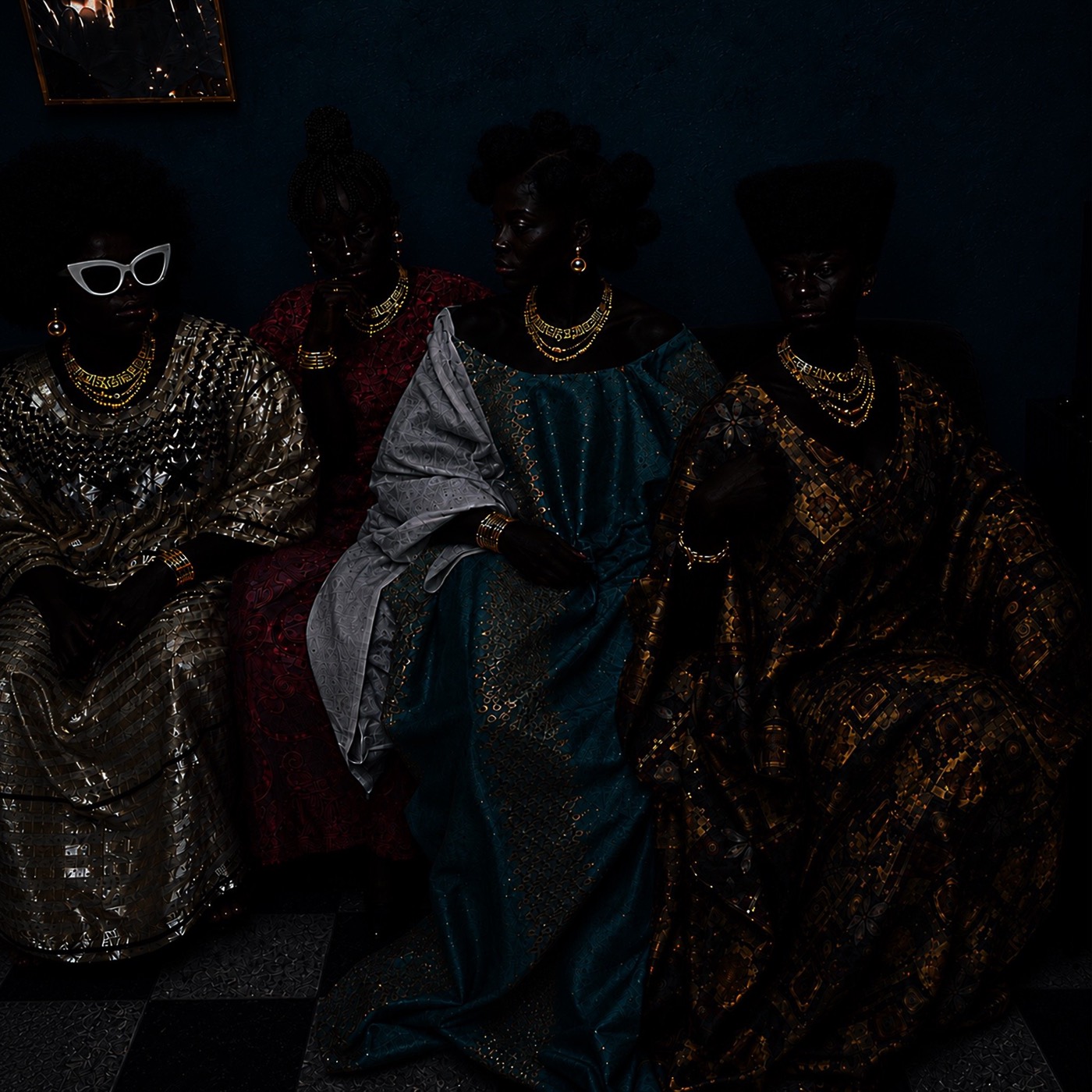
Without counsel plans fail, but with many advisers they succeed. May the wisdom and strength of those that came before us direct our paths and light our ways.
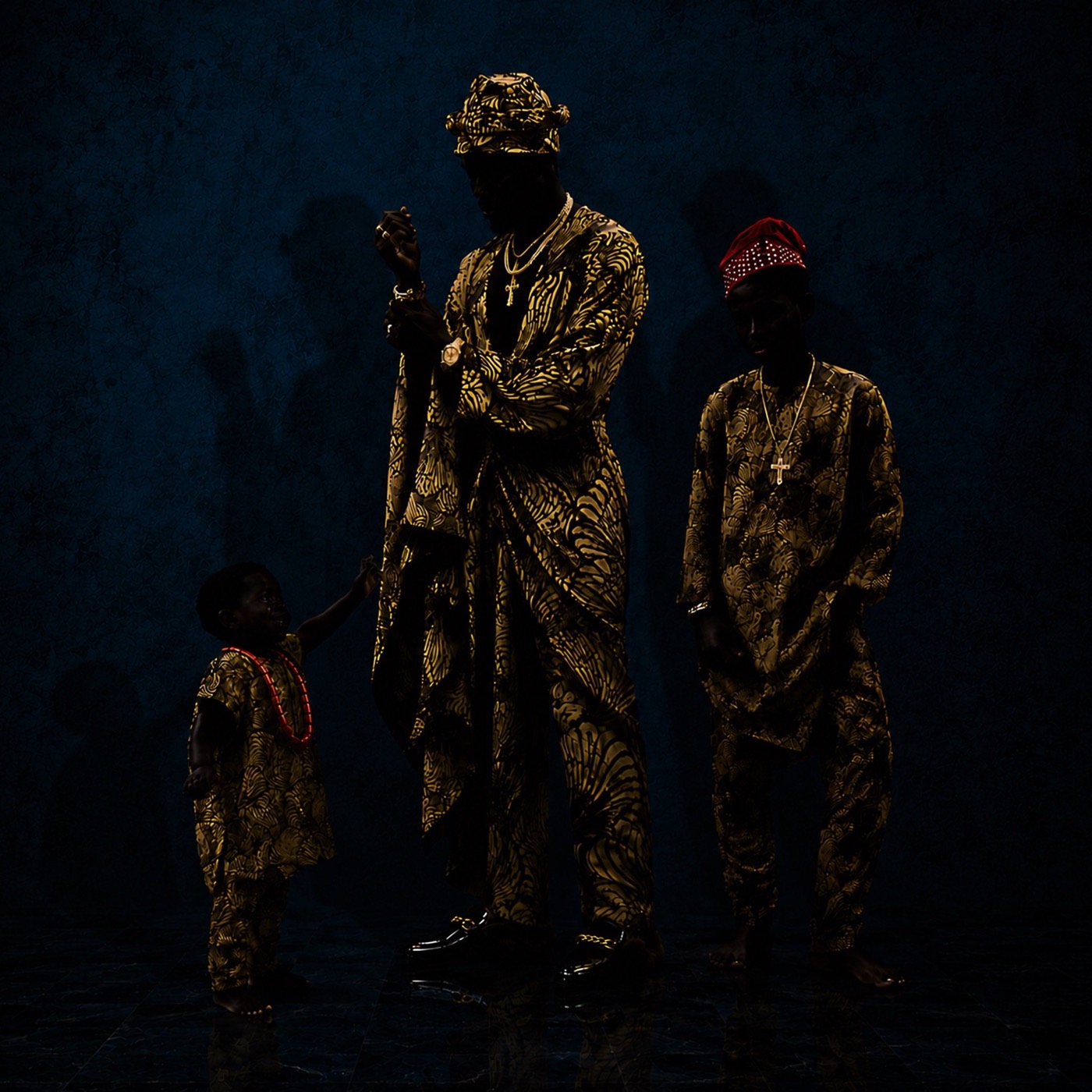
A conversation about inherited silence, absent guidance, and the quiet struggle of men trying to become fathers without ever experiencing fatherhood themselves.
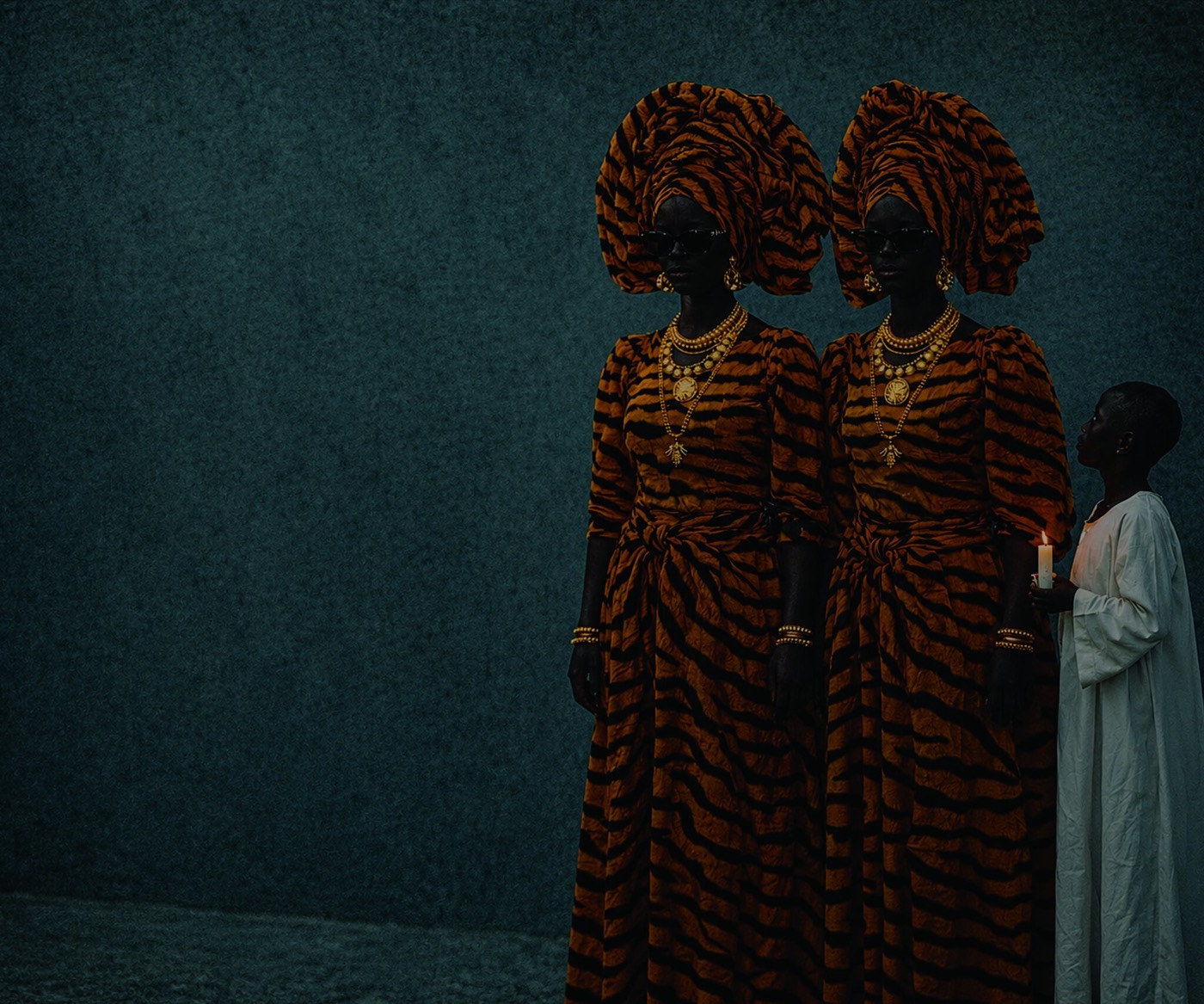
Women are the guardians of the next generation. Their watchfulness is not loud or demanding; it is steady, enduring, and deeply rooted in love.
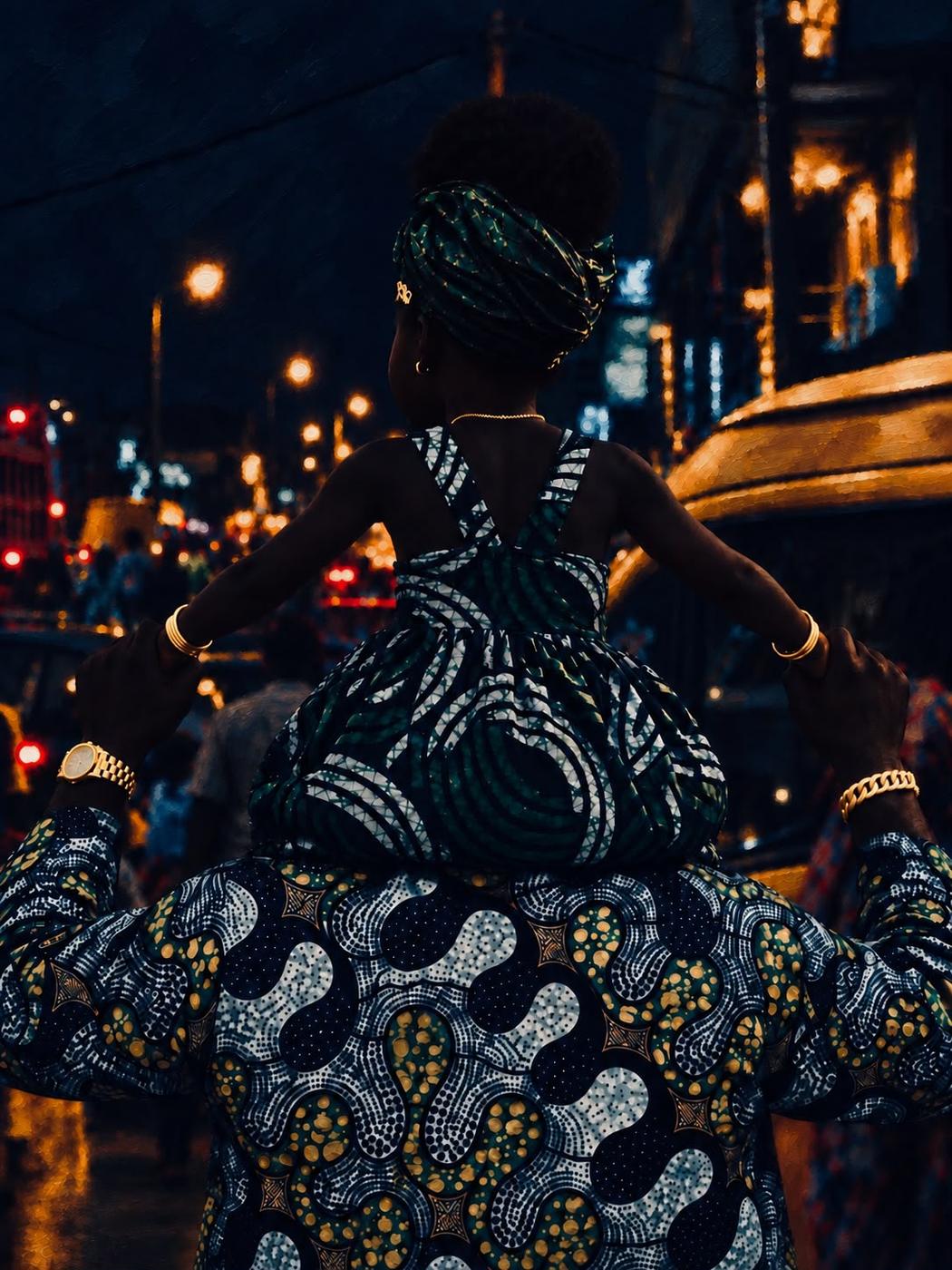
From up there, she learns to see the world from a place of safety. His hands tell her, I’ve got you. His presence tells her, you belong here. And the way he carries her teaches her, long before the world has an opinion, that she is worthy of being seen.
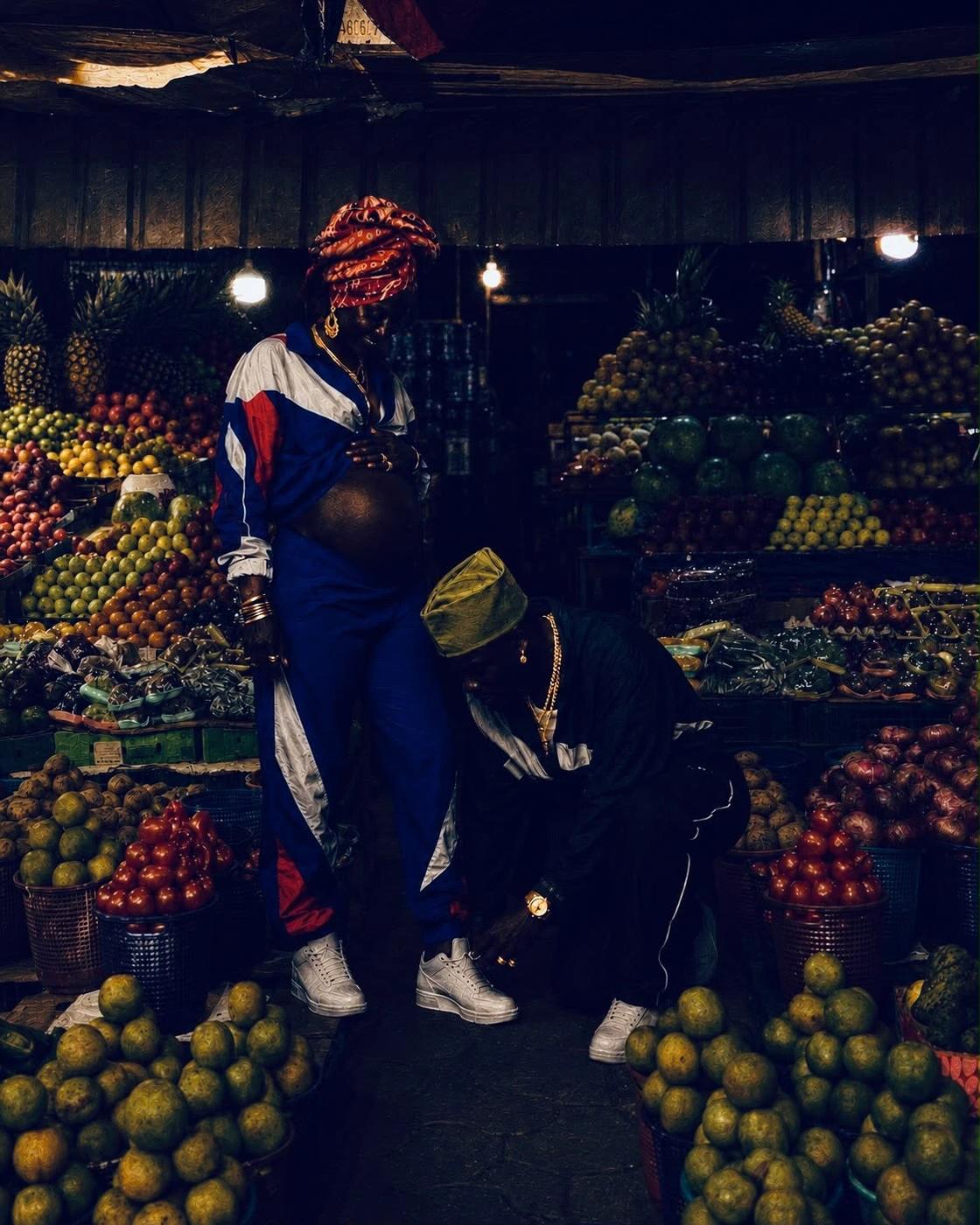
Bearing Fruit is a reflection of love, union, sacrifice and the blessing of bringing life into this world. The fruit represents abundance, growth and the blessings that come from a union built on love. The woman carries life within her, but the piece speaks to something much bigger than pregnancy. It speaks to two individuals understanding that the life they are bringing into this world is now greater than themselves.
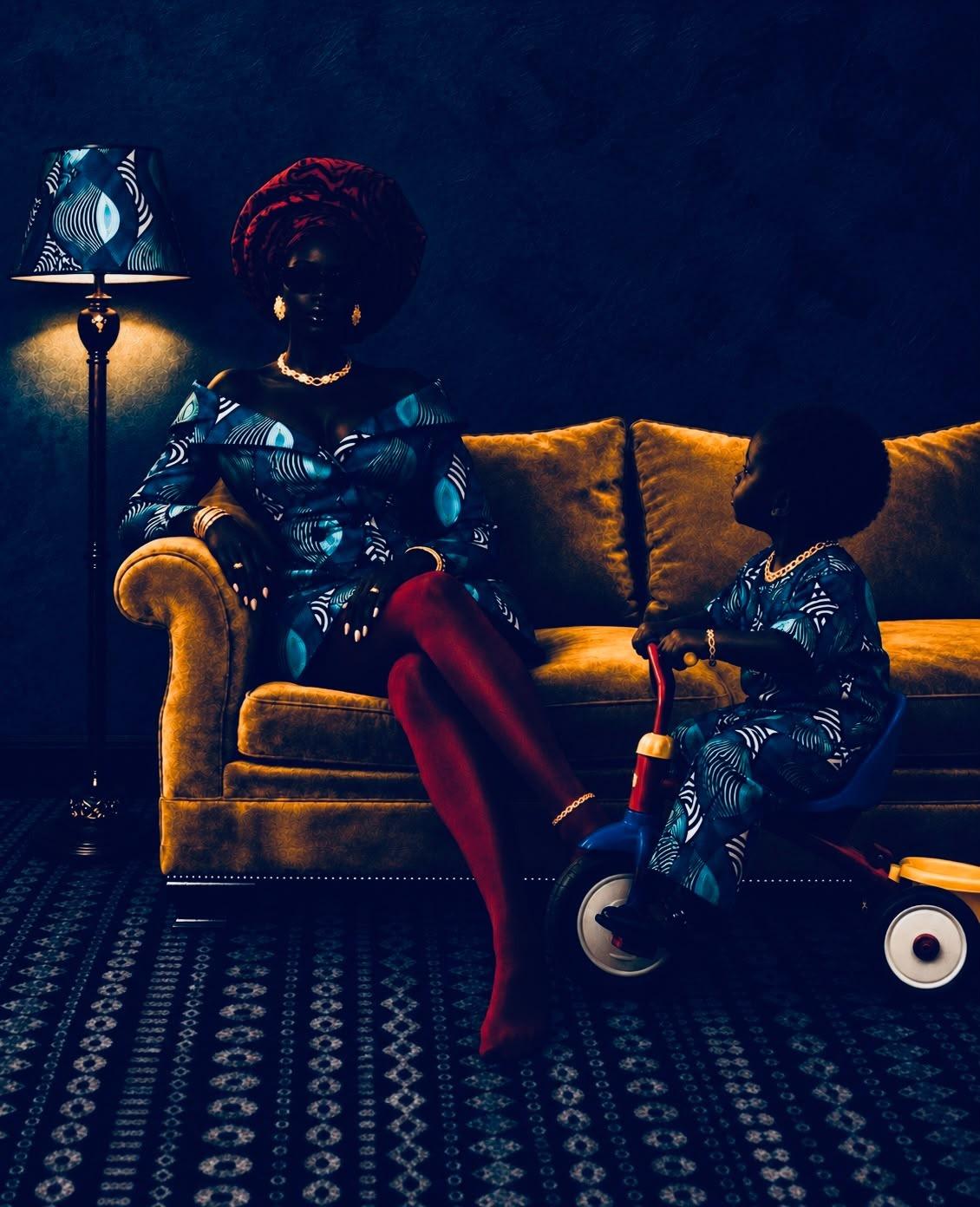
Behind every strong man, there is often an even stronger woman who first taught him what strength truly means. Mummy’s Boy is a celebration of the powerful African woman who understands that she is not just raising a boy, she is raising a man. A man who will one day have to find his own way in a world that will not always be kind to him.
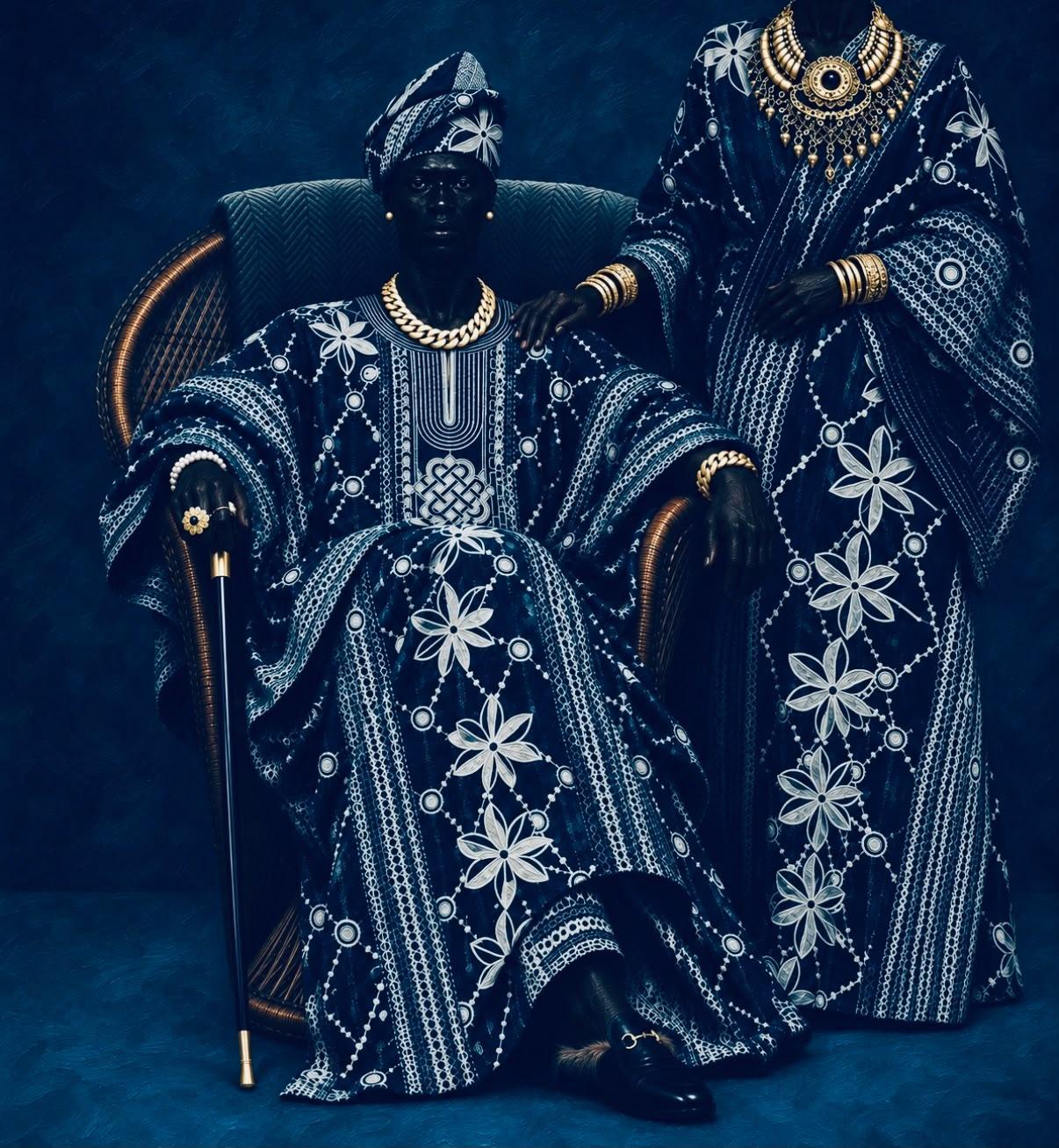
A reflection on the African man’s presence within the household. Not defined by status, but by responsibility. The discipline he instils, the authority he carries, and the example he sets. A presence that shapes the home and the generations that follow.
The Function
Perfume, confidence and the art of arrival.
Door 2040 mm · centre line 1450 mm
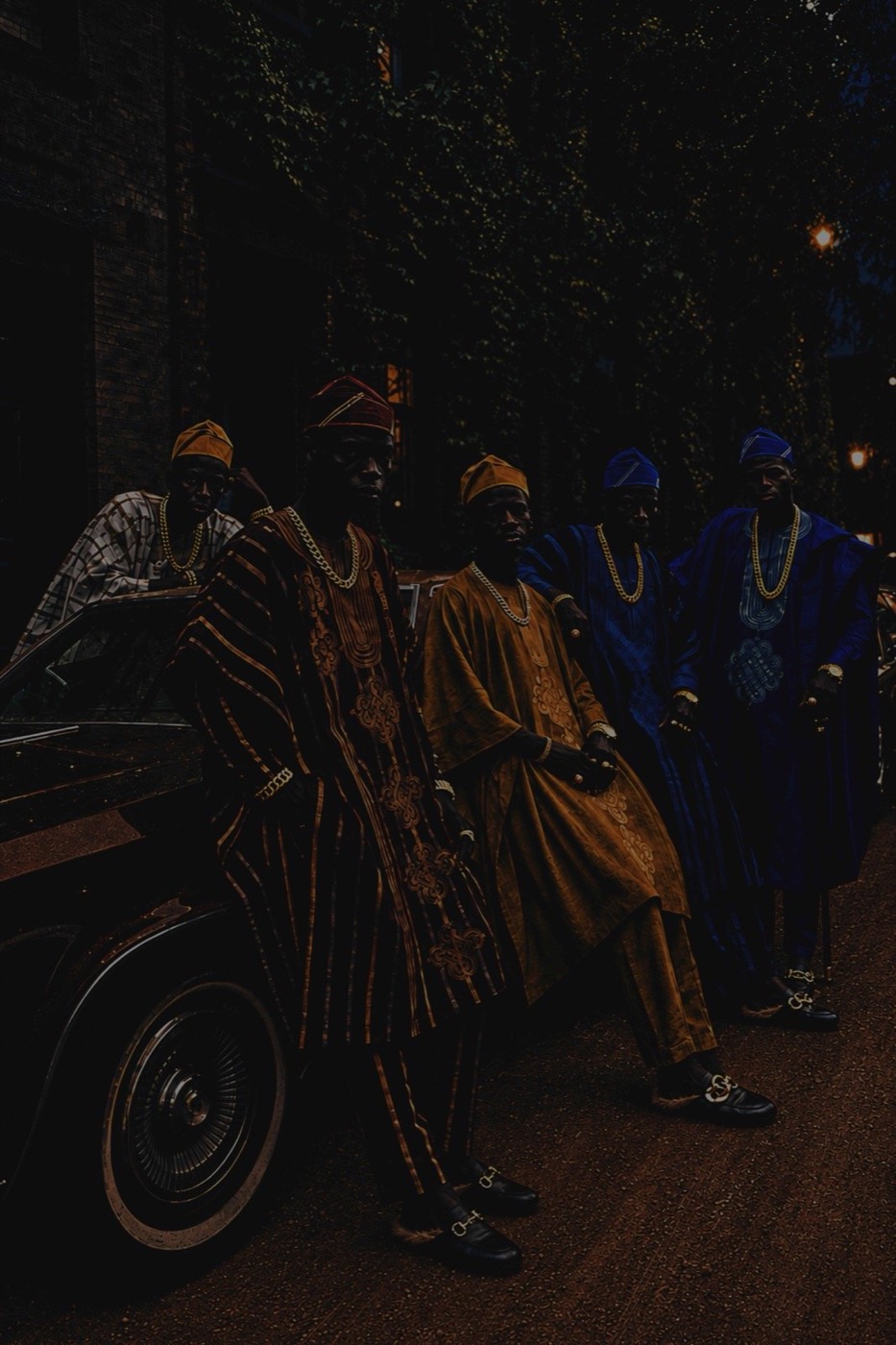
Brothers who hold each other to a higher standard not only in the way they dress, but in the way they embody the African values at the core of their identity.
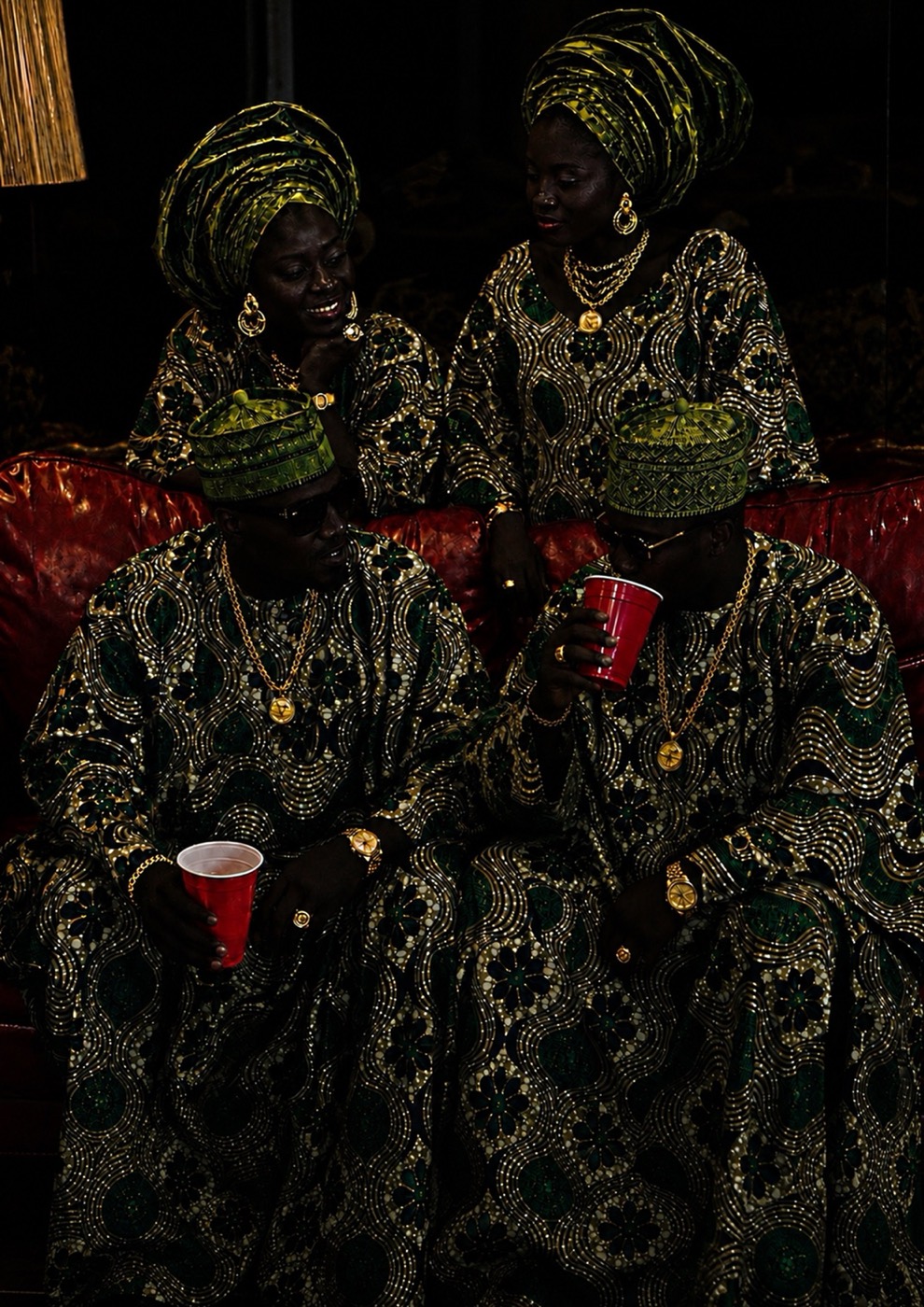
Community is a reminder that life’s best moments are enjoyed most with those that mean something to us. The tribe that celebrates our wins one day and shares our burdens the next. Community is central to a life lived well.
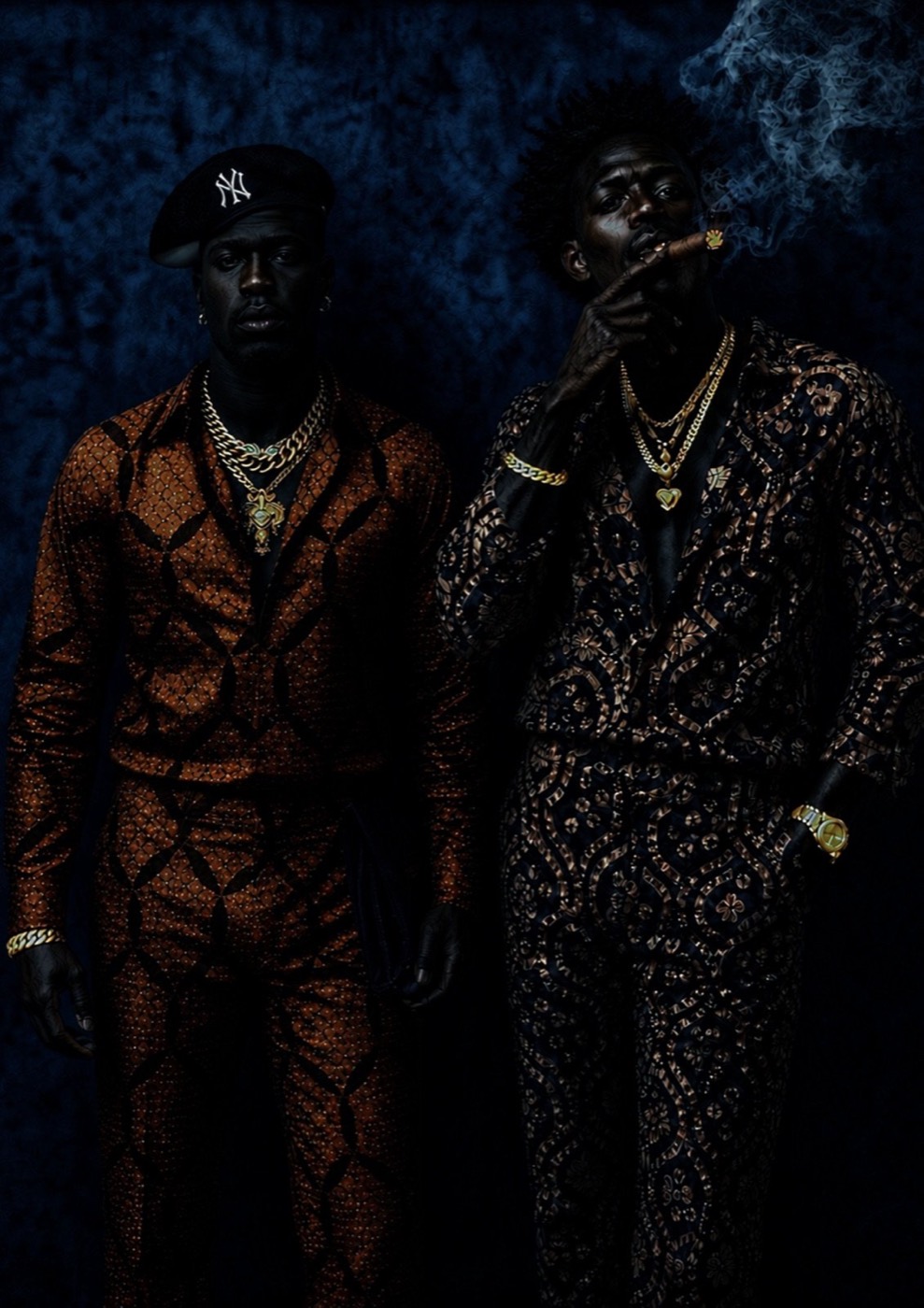
These are the African uncles I grew up looking up to. It didn’t matter what the function was, they looked like they took their time getting dressed. The African attire sat differently on them. The jewelery, the details, the way everything came together it all felt intentional. They made dressing well, and especially dressing African, feel cool from a young age.
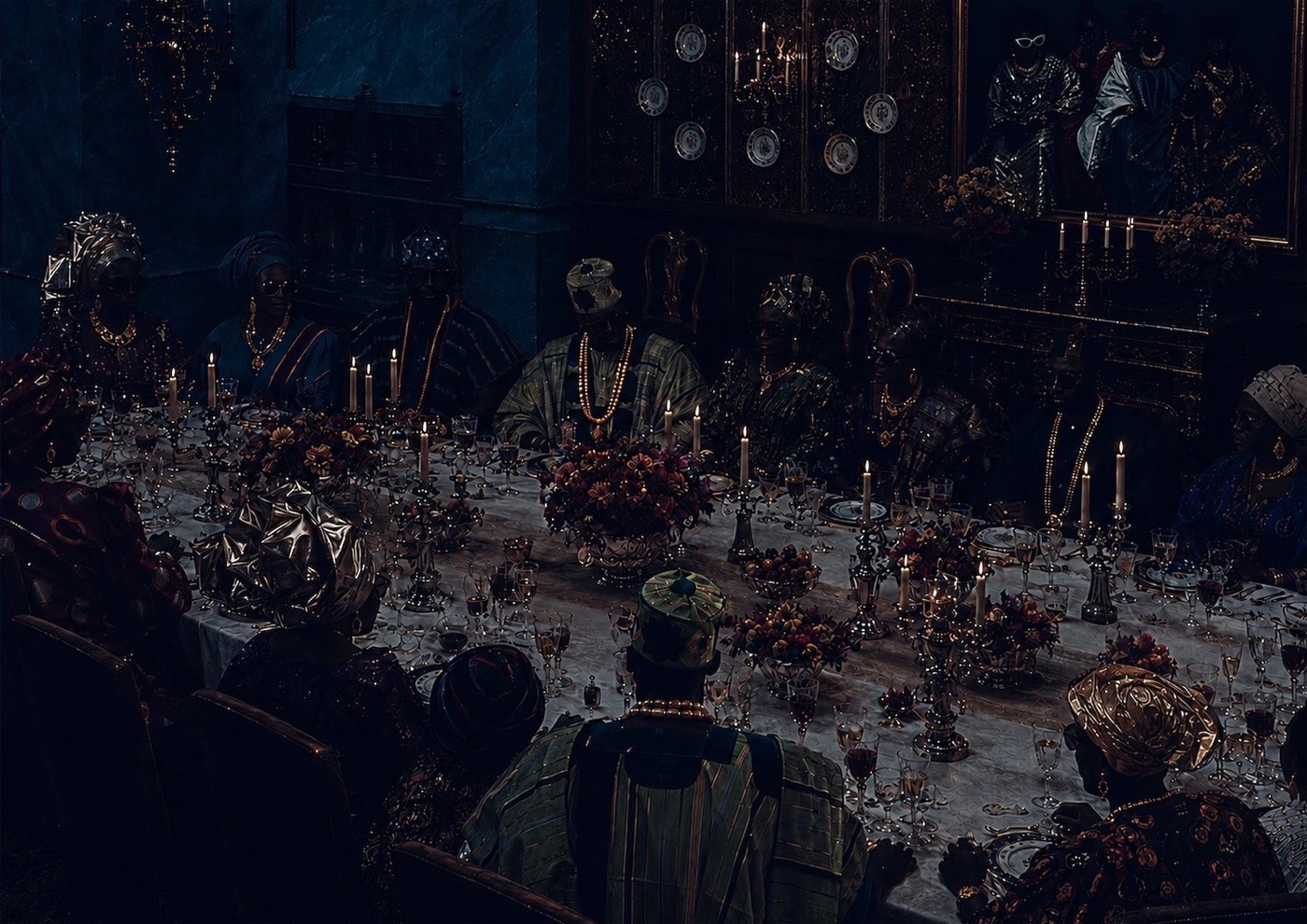
Thanksgiving is a manifestation of who we are: a people rooted in heritage, united by community, and elevated by excellence. It is an invitation to celebrate abundance not only in material form, but in culture and creativity, and legacy. This is gratitude as ceremony. This is excellence as inheritance. This is Blackness celebrated without apology.

Remembers the family celebrations we hosted when we were young — when the community came together to celebrate one another’s milestones as we navigated life in a new land.
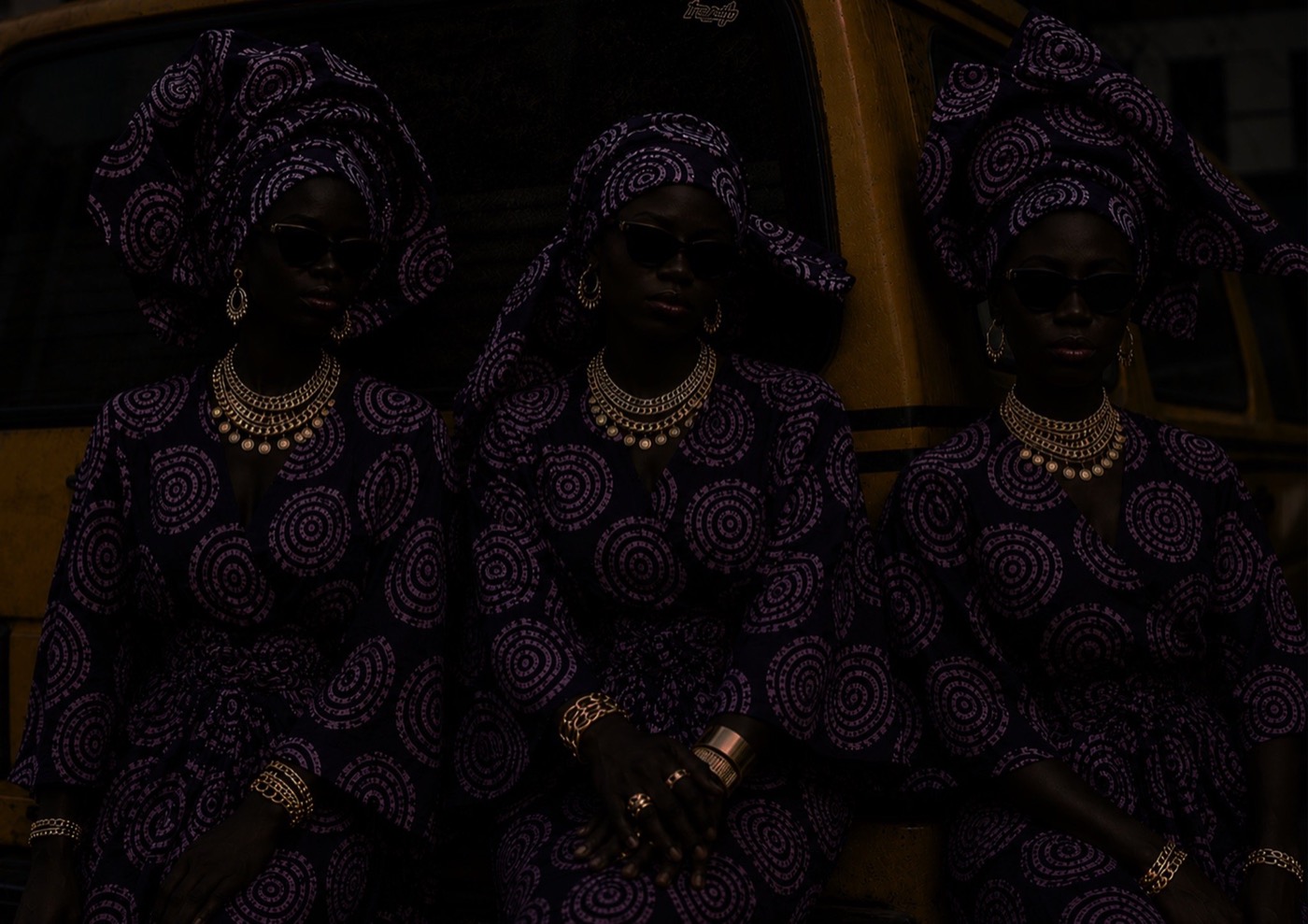
A visual tribute to sisterhood and the art of arrival. Perfume and confidence announcing their arrival as they strut into the gathering.
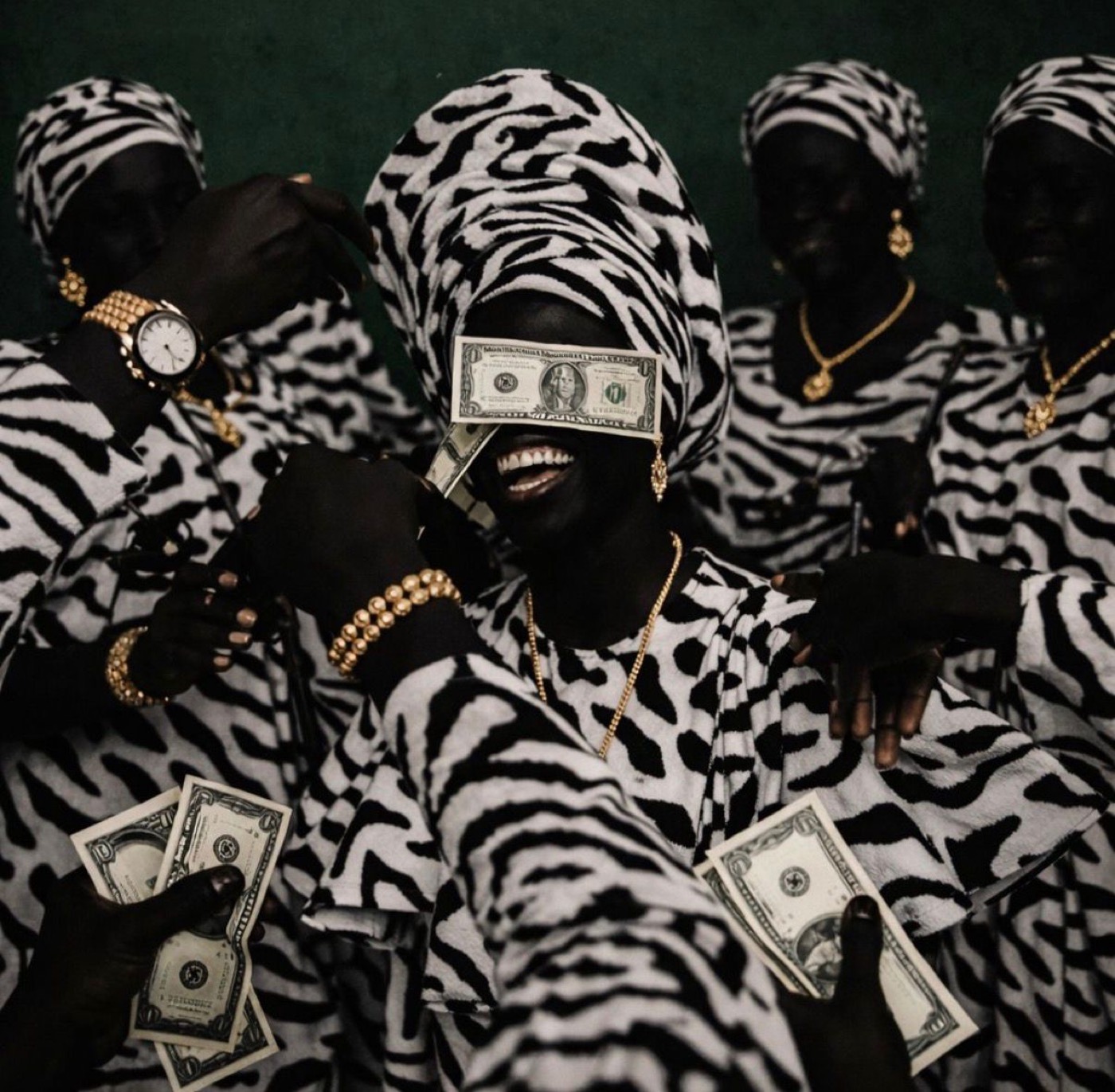
Loudness beyond sound — celebration as something deeply felt rather than simply heard. Joy, pride, and release as their own language.
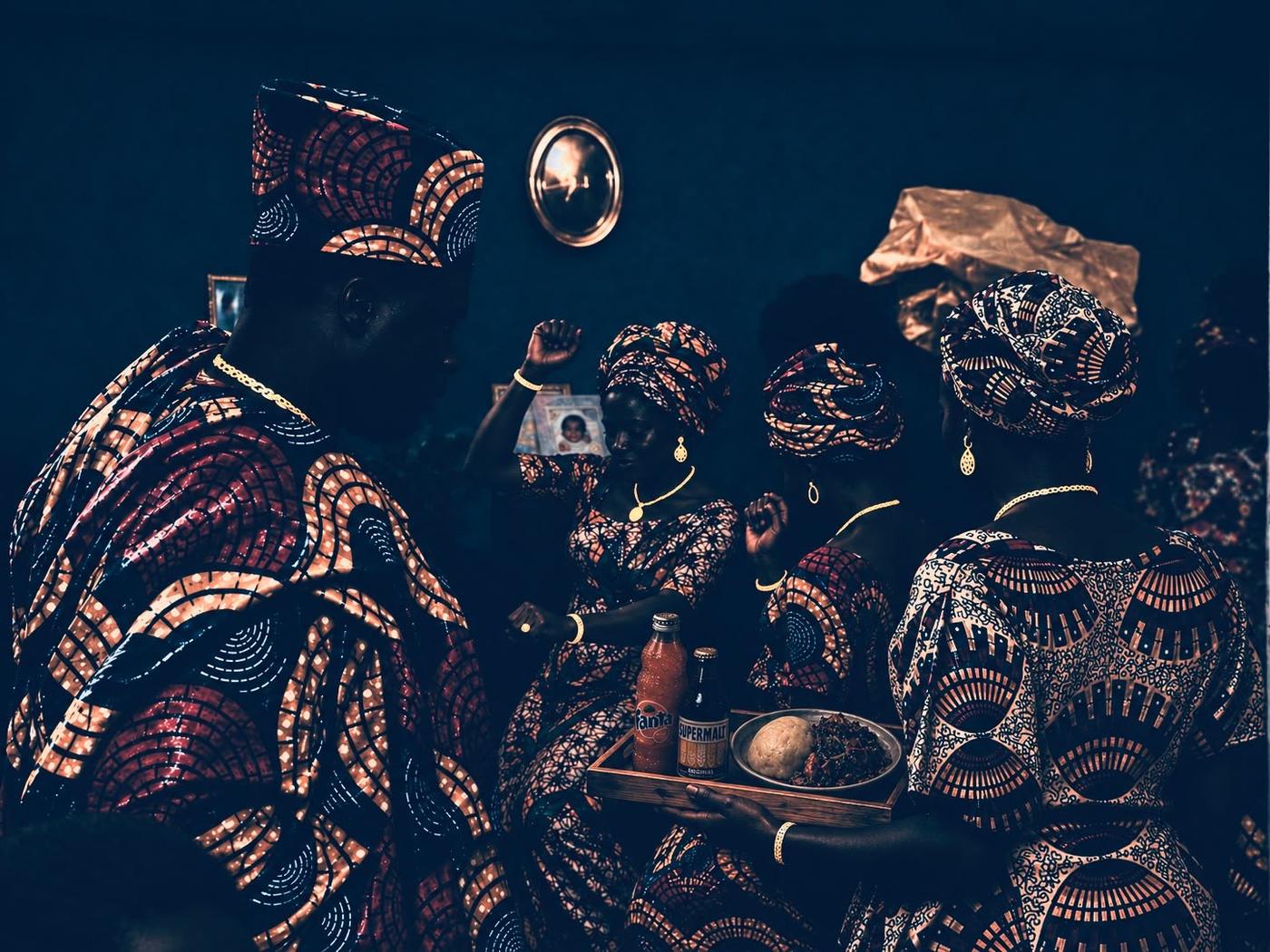
The music, laughter, energy, love and everyone coming together, celebrating life and simply enjoying being in each other’s company. There’s something powerful about showing up dressed in our native cloth. It makes us feel empowered and truly the best versions of ourselves. In these moments where nothing else matters but the joy of being present, surrounded by love and good energy.
Heritage
Not simply worn — inherited.
Door 2040 mm · centre line 1450 mm
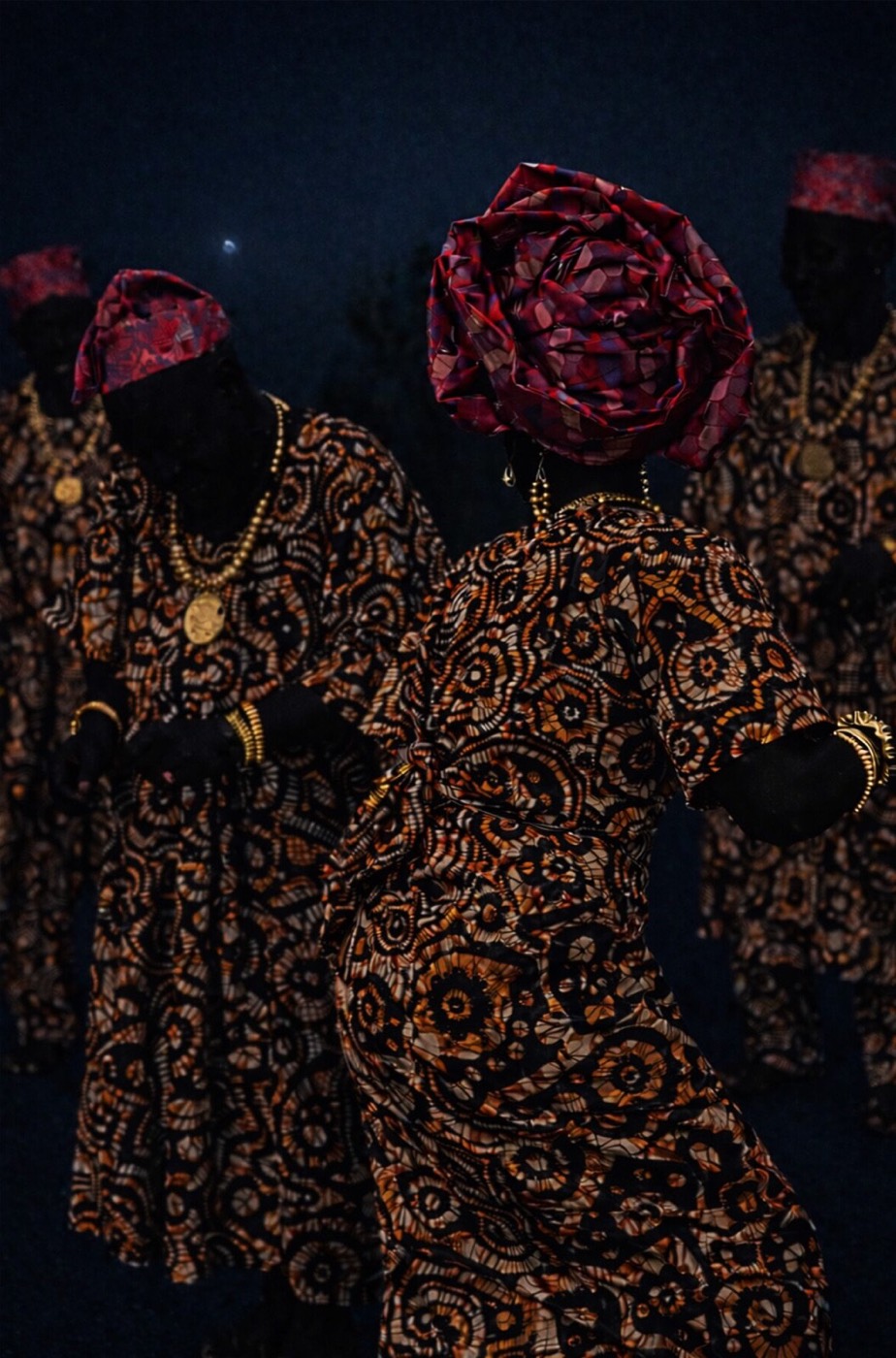
Joy is a celebration of African togetherness—the kind of happiness that becomes fuller when it is shared. Gathered in closeness, coming together to celebrate, to give testimony, to honour one another, and to stand proudly in what is good.
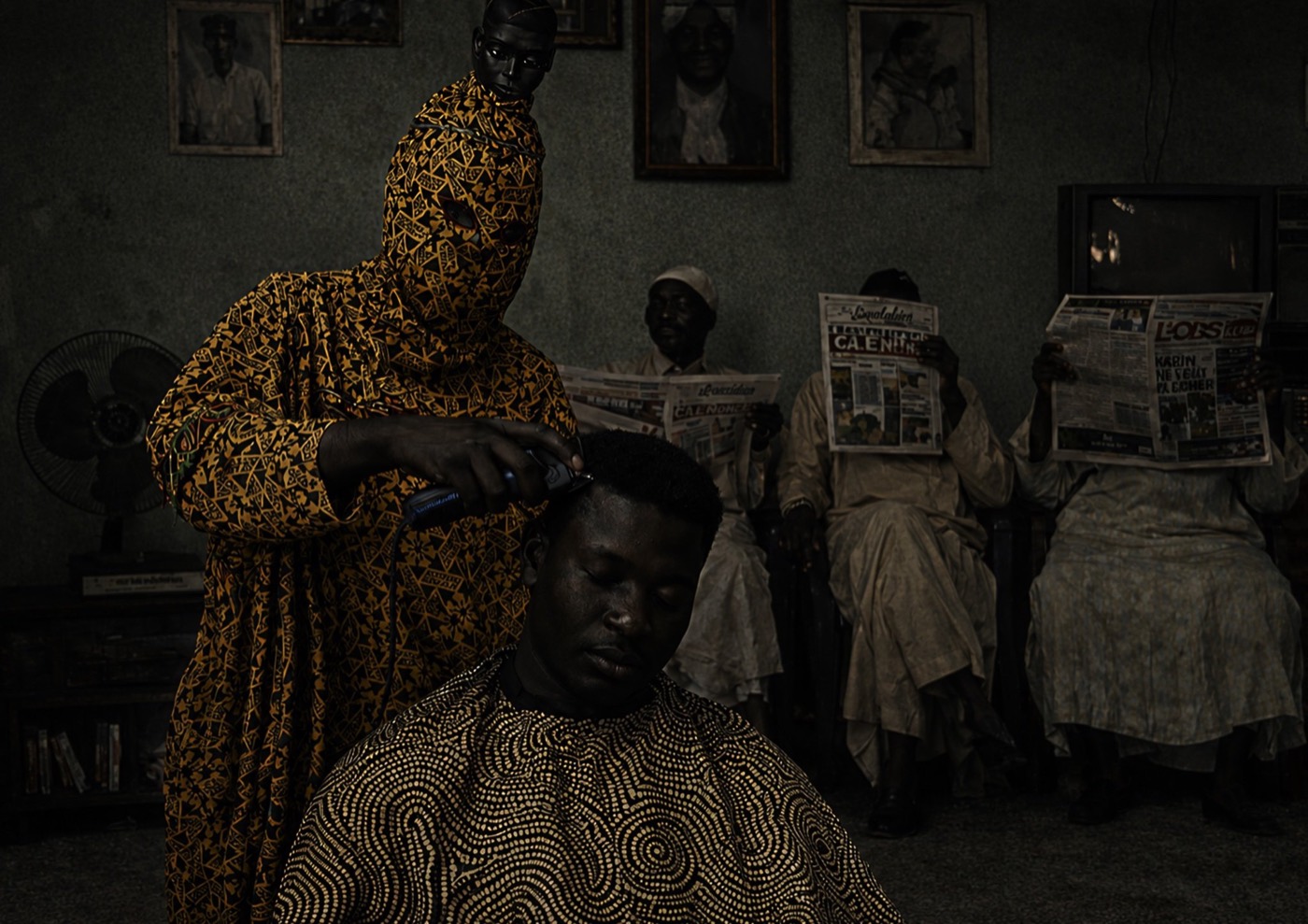
“Life of a Masquerade” is a quiet conversation between culture and perception. Through this piece was an attempt to present the Nigerian masquerade beyond fear, myth, or misunderstanding, and instead place it in a human, familiar light. The richness of the costume, the layered prints, the movement, and presence all speak to a history deeply rooted in identity and tradition.
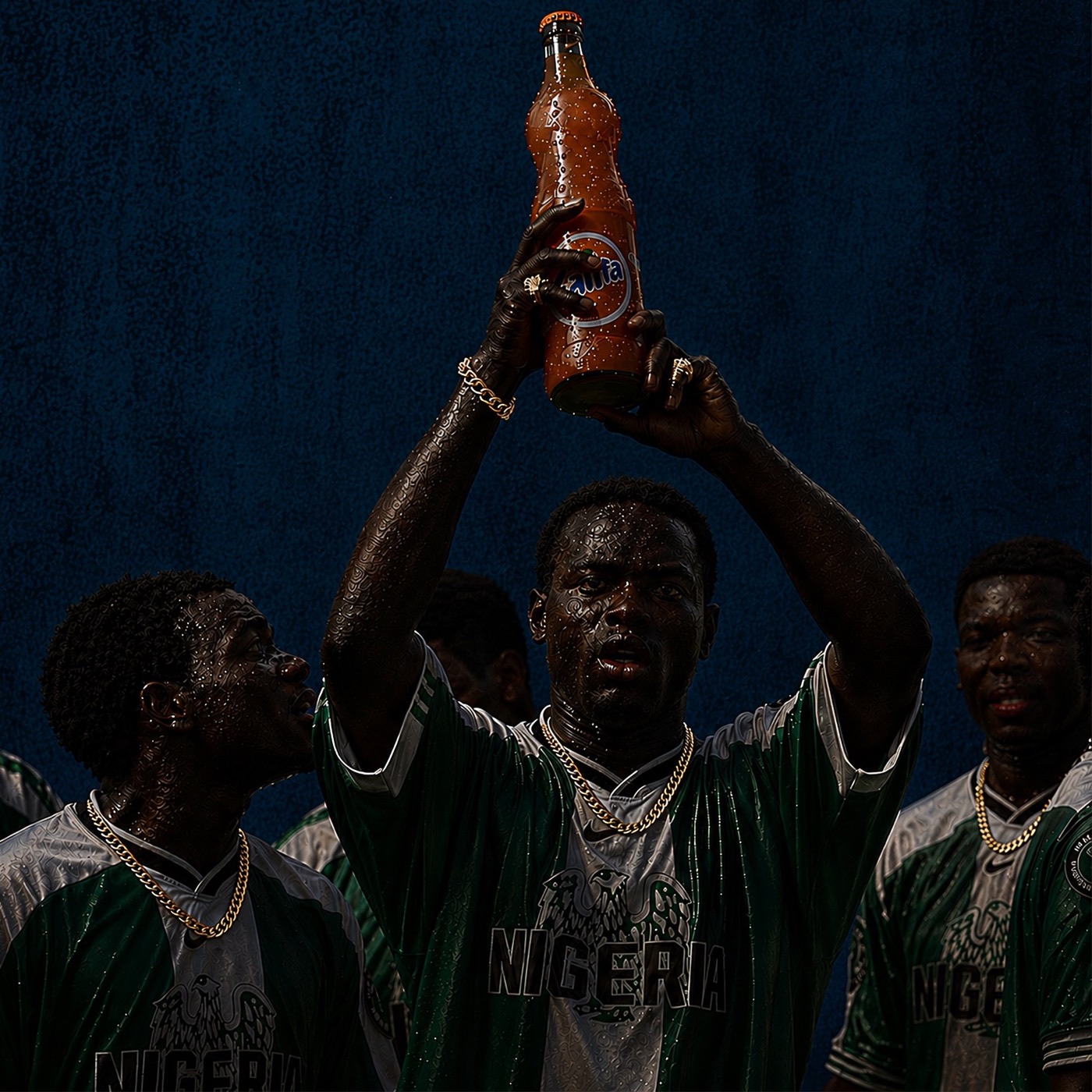
A reminder that home can exist inside something as simple as a nostalgic memory — the unspoken belief that things from our soil are just different.
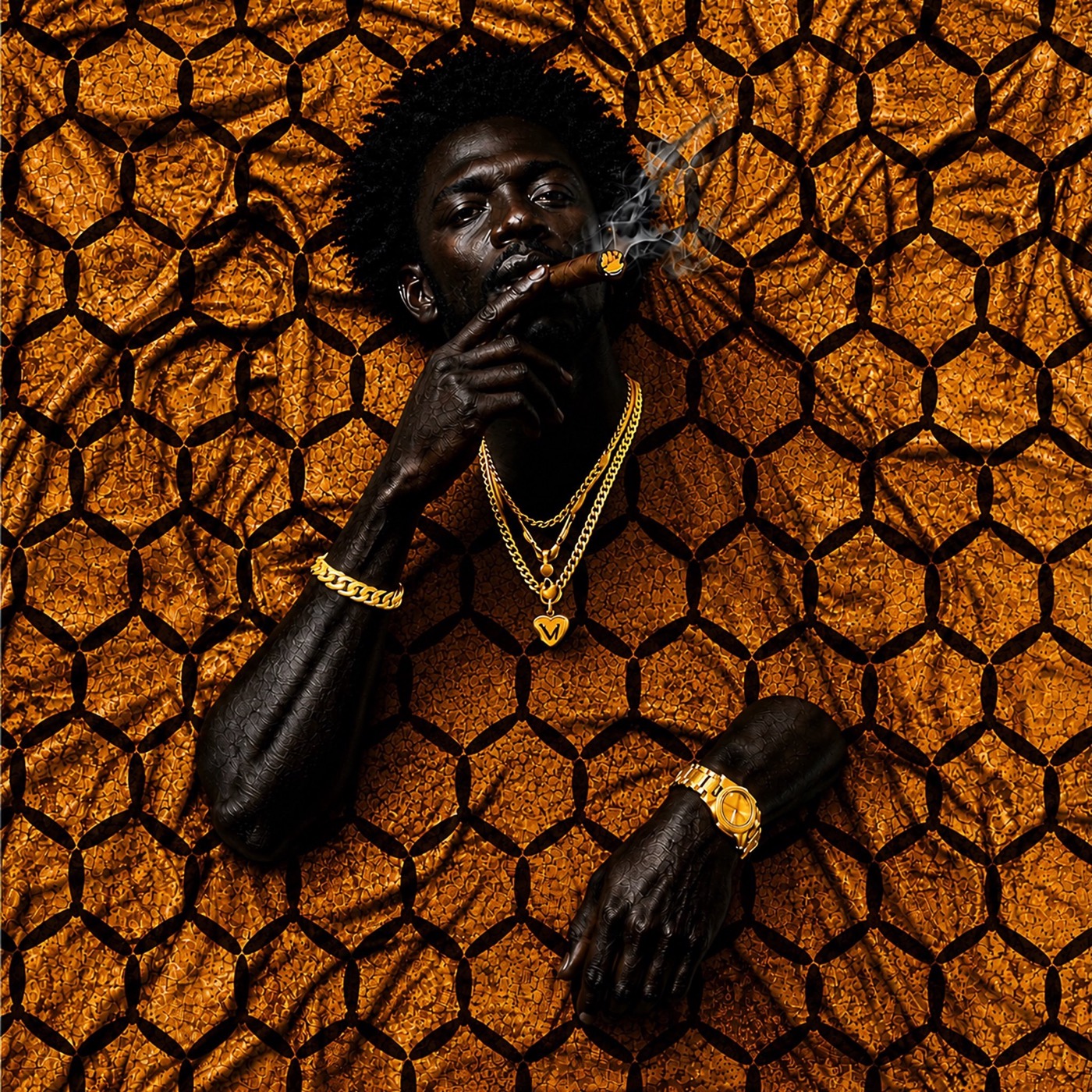
To be “drowned” in native cloth is to be completely immersed in heritage — not simply adorned, but defined and sustained by it.
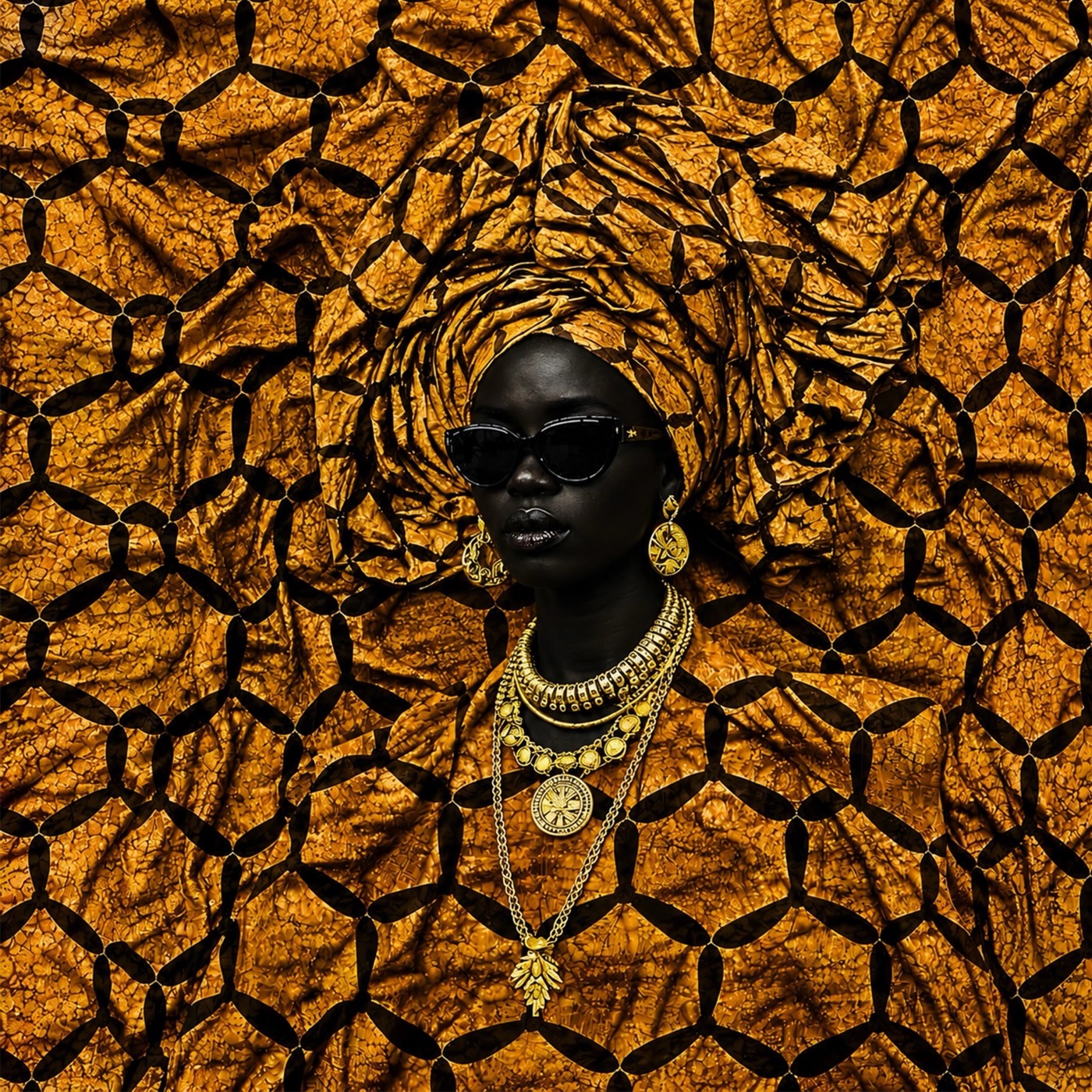
African culture is not simply worn — it is inherited. To be “drowned” in native cloth is to be completely immersed in heritage, ancestry, and cultural permanence.
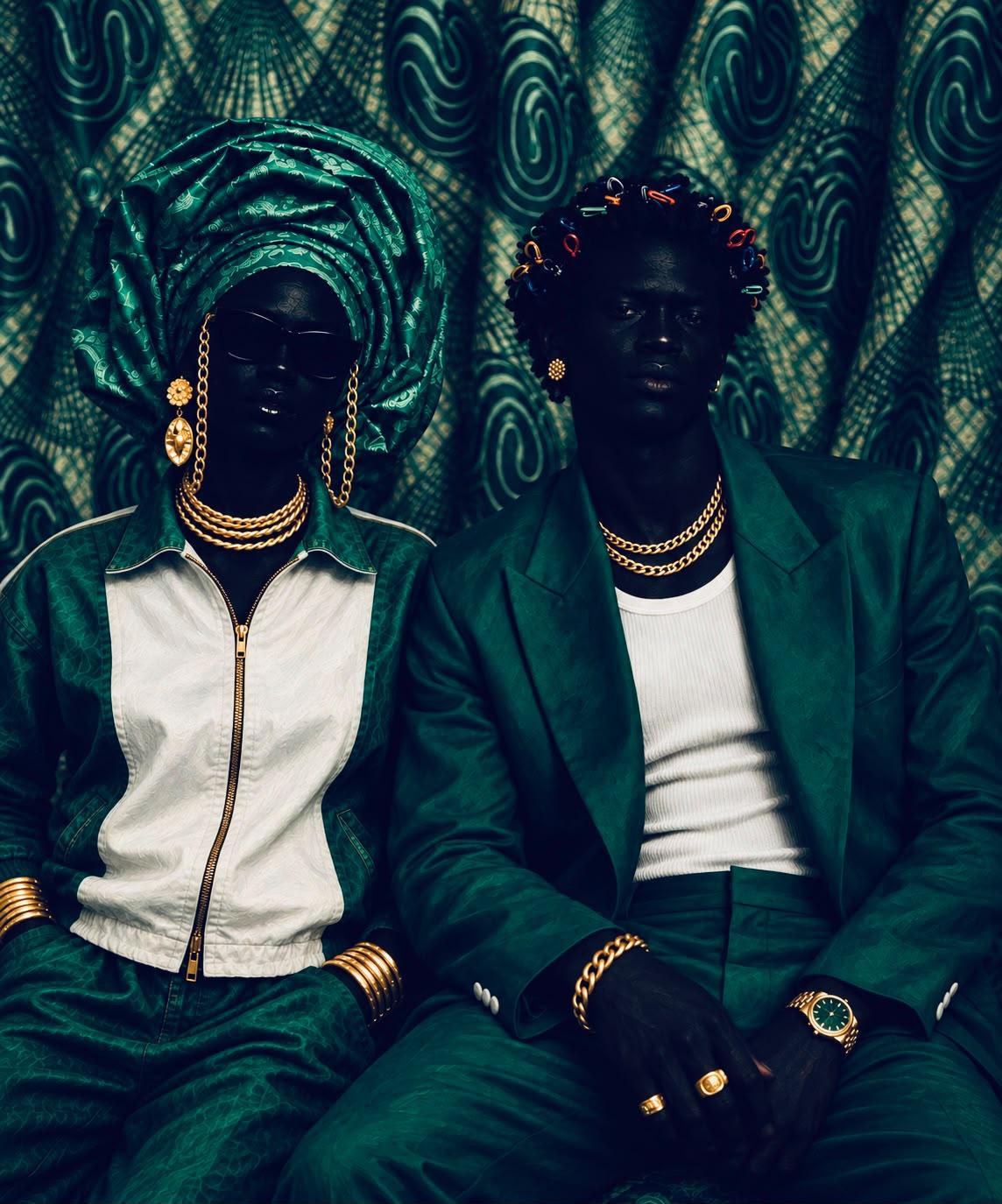
The Land Is Green is a celebration of Nigeria, but it is also a reminder. The land is green. It has always been green. Regardless of who tried to hold it, control it, rename it or define it, the land never stopped belonging to itself. Its richness was never something that could be given back to us, because it was always ours.
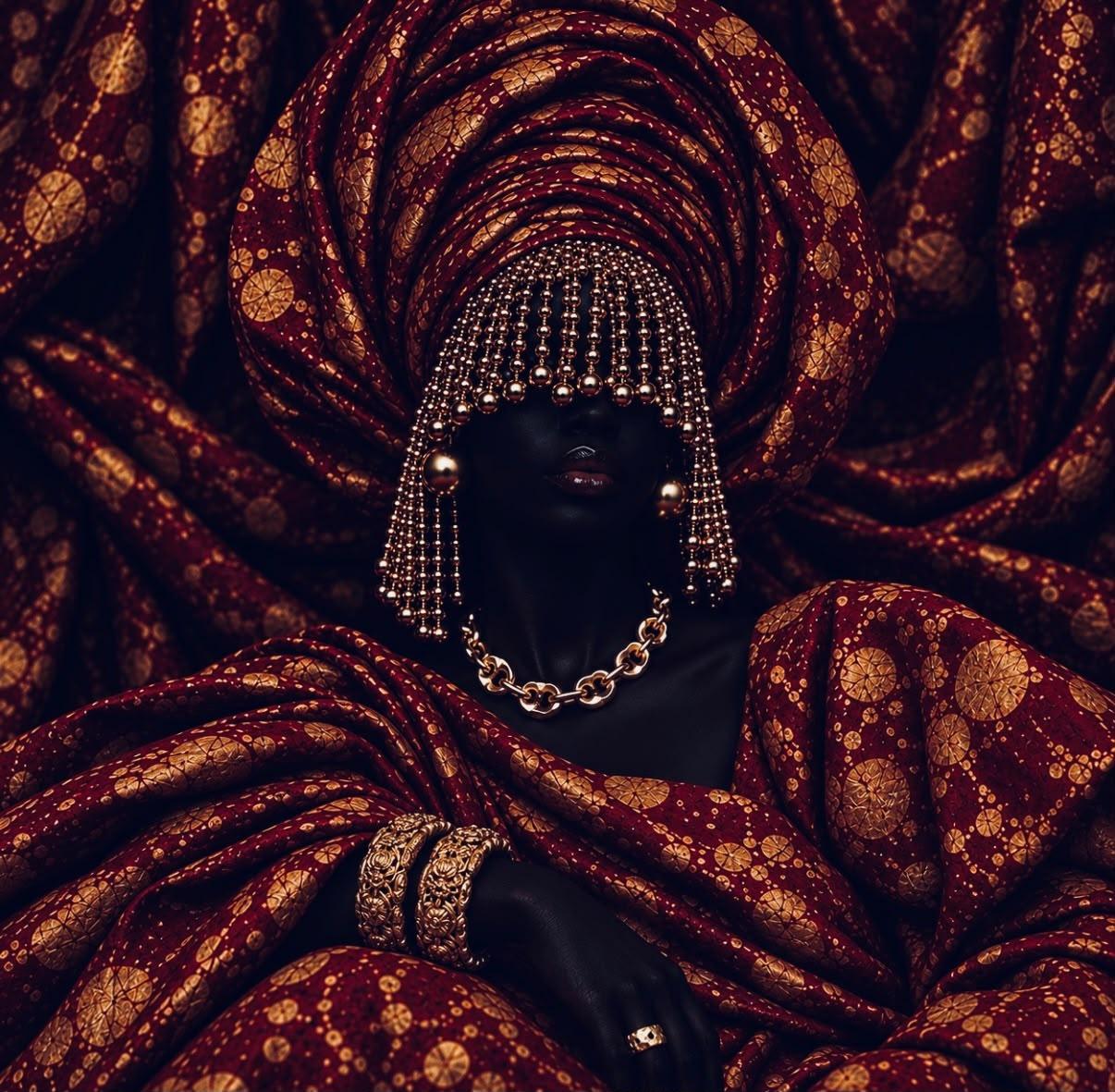
She’s surrounded by her native cloth, a fabric that connects her to her family, her roots and where she comes from. She’s drowned in it, but she’s not lost in it. Even with all that fabric surrounding her, her individuality, beauty and power still stand out.
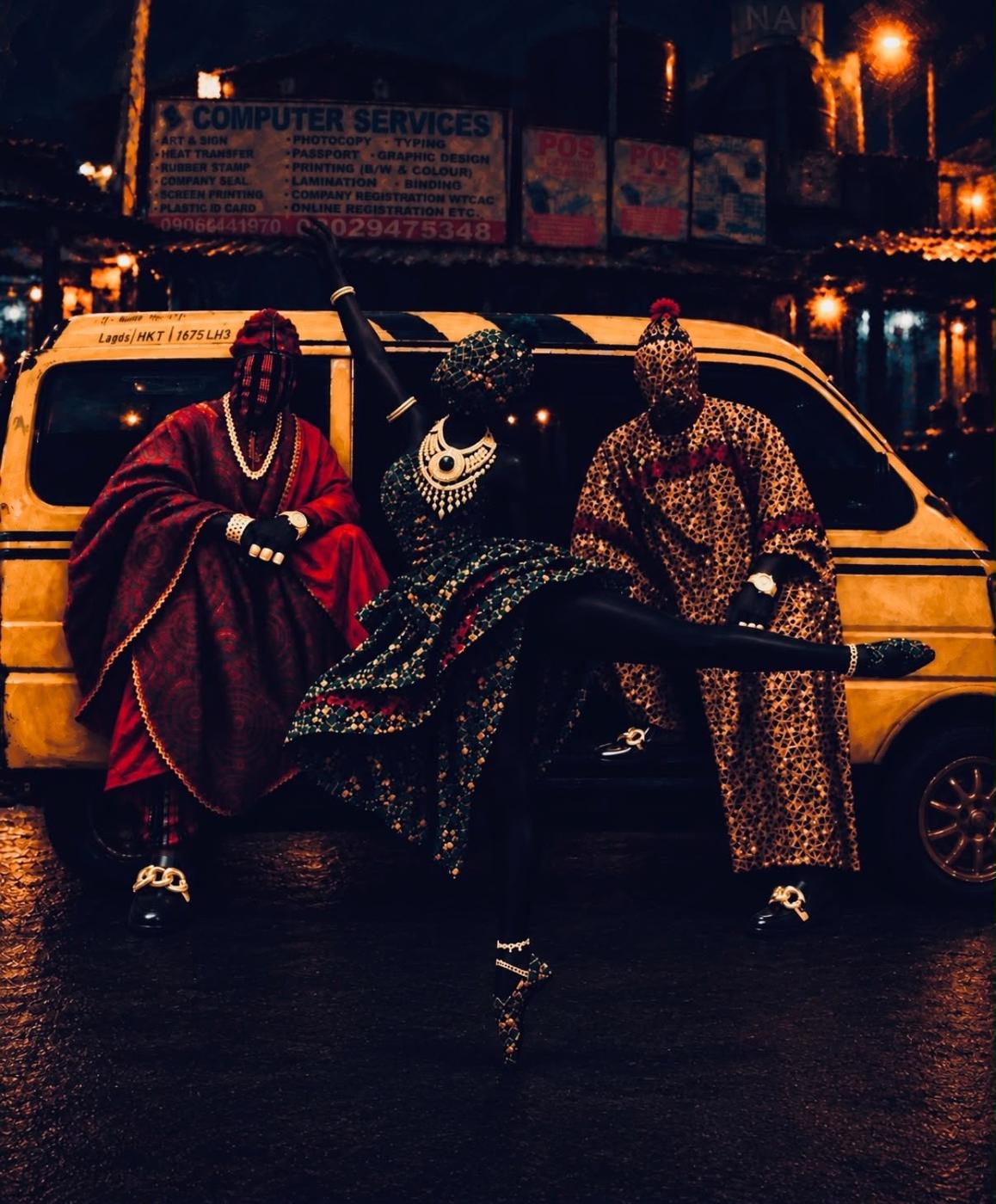
There’s something about culture that can’t be manufactured. It carries a certain kind of elegance, one that doesn’t need permission or validation. It’s something that lives within us, something that has been passed down, reinterpreted, and made our own.
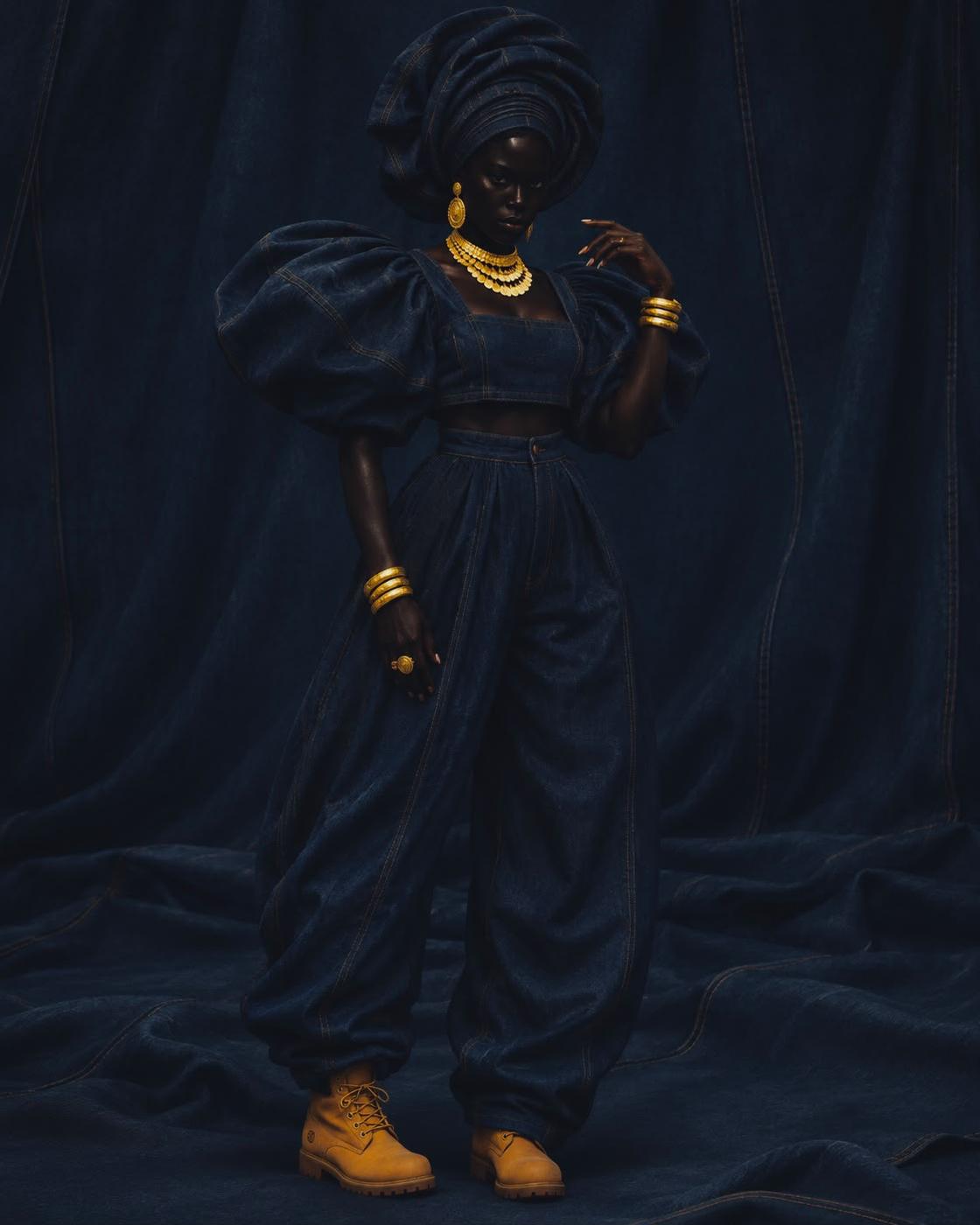
Before denim became a language of modern expression, indigo already held a place in Nigerian textile history. From the deep blues of Yoruba Àdìrẹ to the carefully joined strips of Aṣọ-òkè, fabric has long carried the patience, knowledge and identity of generations. Native Denim is my interpretation of that relationship between material and heritage.
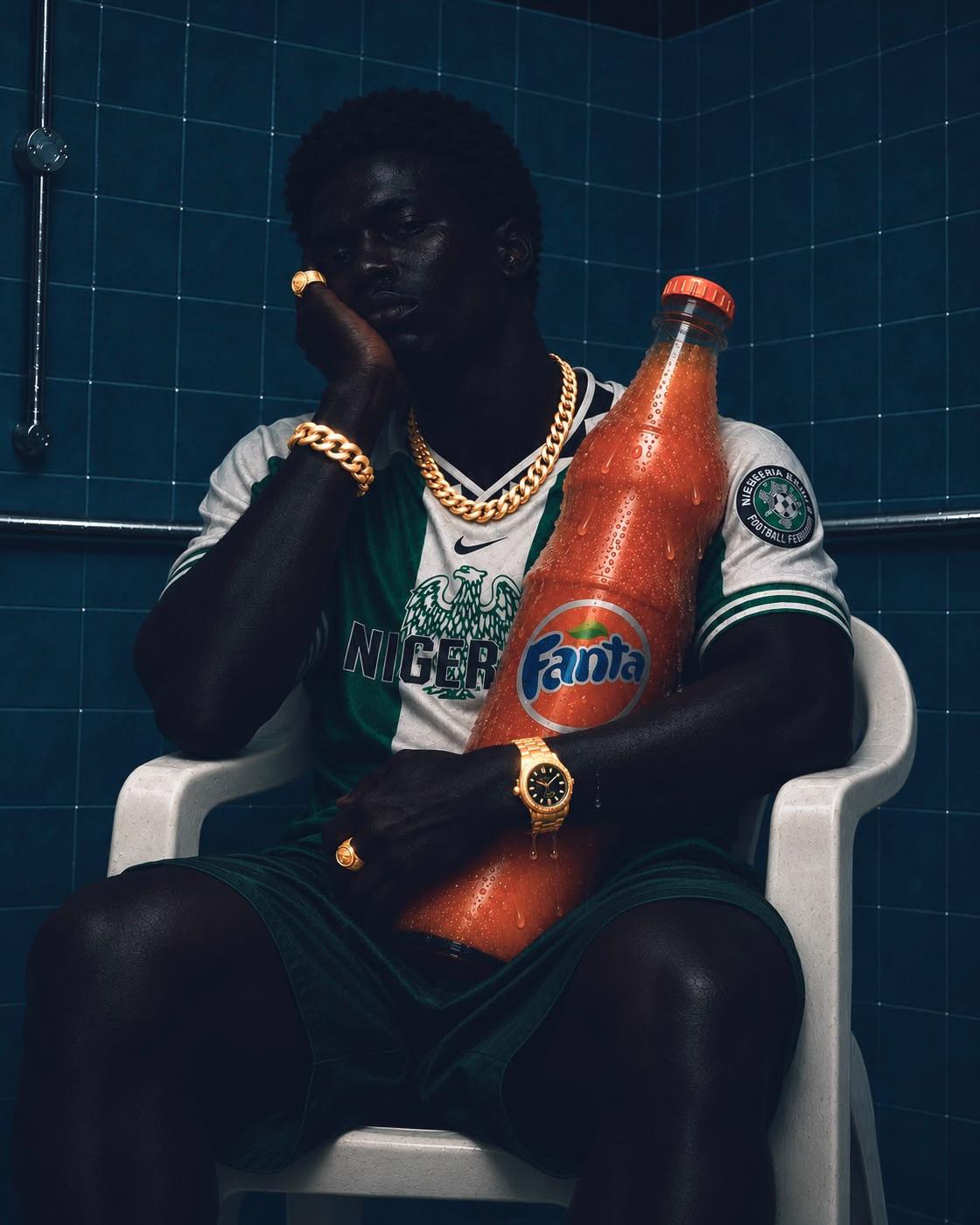
As Africans, we’ve had to push, keep pushing, even when the systems around us were never designed for us to succeed.
New
The generation of Africans across the world who still long to know more about their ancestors. An innate connection to an origin beyond where they stand. She is still. She is awake. In harmony with the wind and in rhythm with the ripples of the ocean. She feels connected to something beyond where she lives.